Mumbai, Jan 14 There is a "pressing need" to help the families of soldiers who sacrificed their lives for the country, the Bombay High Court has said while ordering the Enforcement Directorate to pay half the interest accrued on Rs 46 crore deposited by it to an armed forces welfare fund.
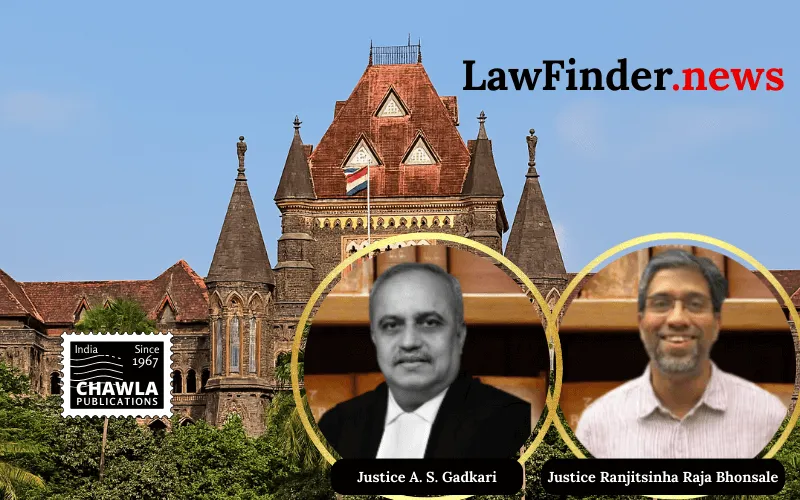
A bench of Justices A S Gadkari and R R Bhonsale passed the direction while dismissing an appeal filed by the ED against a 2019 order of the Appellate Tribunal which set aside the attachment of assets worth Rs 141.50 crore belonging to Shapoorji Pallonji & Company Ltd (SPCL).
The HC had stayed the tribunal's order after the ED filed the appeal in 2019, but directed the central agency to deposit Rs 46.5 crore with the court.
In its final order of December 23, 2025, a copy of which was made available this week, the high court upheld the tribunal's decision, and ordered the deposited amount to be returned to SPCL.
The bench also instructed that 50 per cent of the interest accrued on Rs 46.5 crore should be paid to the Armed Forces Battle Casualties Welfare Fund.
The court said it was passing such an order in view of the dedication of Indian soldiers and the casualties they suffer while serving the country.
"There is an urgent and pressing need to provide for the families and widows of the soldiers who have lost their lives on the battlefield and in protecting the borders of the nation," the HC said.
It had considered the sacrifices of the soldiers and also the difficulties faced by the widows and families of the soldiers who lost their lives while serving the country, the court said.
"We therefore, deem it fit to transfer 50 per cent of the interest accrued to the Armed Forces Battle Casualties Welfare Fund. We do this in a manner and with an object of balancing the equities," the HC remarked.
The case pertained to the money paid by SPCL to Nilesh Thakur and his companies 2005 onwards under an agreement to buy 900 acres of land in Alibaug and Pen at Rs 30 lakh per acre.
The ED claimed that these payments were "proceeds of crime" linked to a disproportionate assets case registered against Thakur, a public servant.
SPCL challenged the attachment, pointing out that the money was paid under a land purchase agreement and it was recorded as advance payments in income tax records. The company also argued that Thakur was on "unsanctioned leave" for nearly four years and not performing public duties when the payments were made.
In January 2019, the Prevention of Money Laundering Act Tribunal accepted SPCL's arguments and ordered the release of the attached properties, holding that the money could not be treated as proceeds of crime.
Union of India v. Shri Nilesh J. Thakur, (Bombay)(DB) : Law Finder Doc Id # 2837247