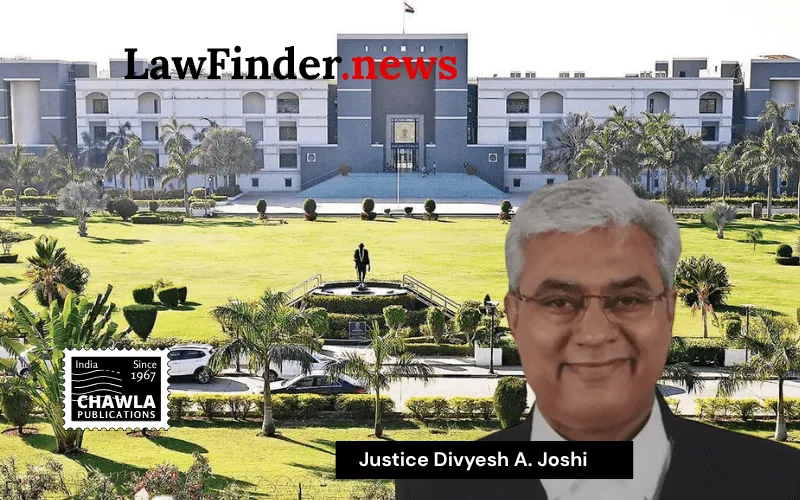
Court Quashes Orders of Revenue Authorities, Upholds Mutation Based on Registered Sale Deed
In a significant judgment, the Gujarat High Court has reinstated a revenue entry that was previously cancelled by revenue authorities, basing its decision on an amicable settlement between the involved parties and adherence to statutory mandates under the Gujarat Land Revenue Code. The case, titled Babubhai Ishwarbhai Patel v. State of Gujarat, involved a dispute over land mutation entries following the execution of a registered sale deed.
The petitioner, Babubhai Ishwarbhai Patel, had purchased land through a registered sale deed executed by the power of attorney holder of the original property owners. Following this, a mutation entry was made in the revenue records on November 28, 2007. However, this entry was contested by some respondents who were initially not agreeable to the sale, leading to a series of appeals and revisions before various revenue authorities.
Despite an amicable settlement reached during the proceedings, where the respondents agreed to withdraw their objections, the Deputy Collector, followed by the District Collector and the Special Secretary, Revenue Department (Appeals), dismissed the pleas to restore the entry. They cited discrepancies in the documents and existing liabilities on the property as reasons to uphold the cancellation.
The High Court, presided over by Justice Divyesh A. Joshi, emphasized the statutory provision under Section 135(C) of the Gujarat Land Revenue Code, which mandates the mutation of entries based on registered documents without necessitating notices to other parties. The court found that the revenue authorities erred by not considering the new documents submitted, including a consent deed and a "no objection" certificate from the bank, which clarified previous discrepancies.
The court noted that the matter had been amicably settled, the civil suit related to the dispute had been withdrawn, and all parties had agreed to the sale. The judgment highlighted that the authorities failed to provide reasons for ignoring these developments, rendering their decisions legally untenable.
The High Court's decision to quash the orders of the revenue authorities and restore the original mutation entry underscores the importance of adhering to statutory mandates and recognizing settlements reached between parties. This ruling not only provides relief to the petitioner but also sets a precedent for handling similar disputes in revenue proceedings.
Bottom Line:
Mandate under Section 135(C) of Gujarat Land Revenue Code - If a registered document is presented before the revenue authority, it is incumbent upon the authority to mutate the entry in the revenue record even without issuing notice to the other side.
Statutory provision(s): Section 135(C) of the Gujarat Land Revenue Code, Article 226 of the Constitution of India.
Babubhai Ishwarbhai Patel v. State of Gujarat, (Gujarat) : Law Finder Doc id # 2860516