Mukeshbhai Gorchandbhai Chamka sentenced to life imprisonment for the rape and murder of a 13-year-old girl
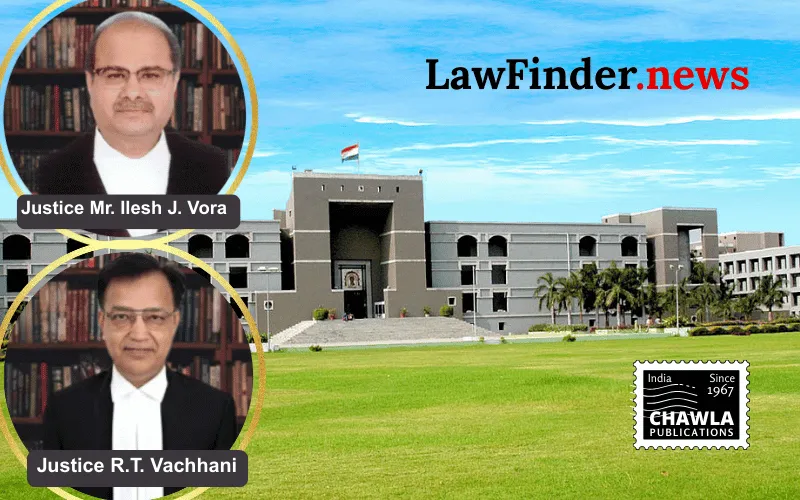
In a significant judgment, the Gujarat High Court upheld the conviction and life sentence of Mukeshbhai Gorchandbhai Chamka for the brutal rape and murder of a 13-year-old girl in Dahod district. The Division Bench, comprising Justices Ilesh J. Vora and R.T. Vachhani, dismissed the appeal challenging the conviction handed down by the Sessions Court, Dahod.
The case, which dates back to a marriage ceremony in April 2013, involved the appellant luring the victim away to a secluded field where he committed the crime. The prosecution successfully established a complete chain of circumstantial evidence, demonstrating the appellant's guilt beyond reasonable doubt. Key evidence included testimonies of witnesses who last saw the victim with the accused, medical and forensic reports confirming sexual assault and asphyxiation, and the recovery of incriminating articles.
The court found that the appellant's actions were driven by a clear motive and that the sequence of events, including his conduct post-crime, formed an unbroken chain leading to his conviction. Despite defense arguments pointing to inconsistencies and the absence of direct eyewitnesses, the court held that the circumstantial evidence was robust and conclusive.
The High Court also addressed the issue of sentencing, affirming the life imprisonment term imposed by the Sessions Court. It ruled that while the crime was heinous, it did not fall under the "rarest of rare" category warranting the death penalty, given the appellant's background and the potential for reform.
This judgment reinforces the importance of a comprehensive and corroborated chain of circumstantial evidence in securing convictions in cases lacking direct eyewitness testimony, particularly in serious offences involving minors.
Bottom Line:
Circumstantial evidence - Complete chain of circumstances must be established to prove guilt beyond reasonable doubt - In the case of rape and murder of a minor girl, prosecution successfully established the chain of circumstances including last seen evidence, medical and forensic corroboration, recovery of articles, and appellant's conduct.
Statutory provision(s):
Indian Penal Code, 1860 Sections 376, 302; Criminal Procedure Code, 1973 Section 374, 209, 313, 235(2), 428; Indian Evidence Act, 1872 Section 27
Mukeshbhai Gorchandbhai Chamka v. State of Gujarat, (Gujarat)(DB) : Law Finder Doc id # 2863294