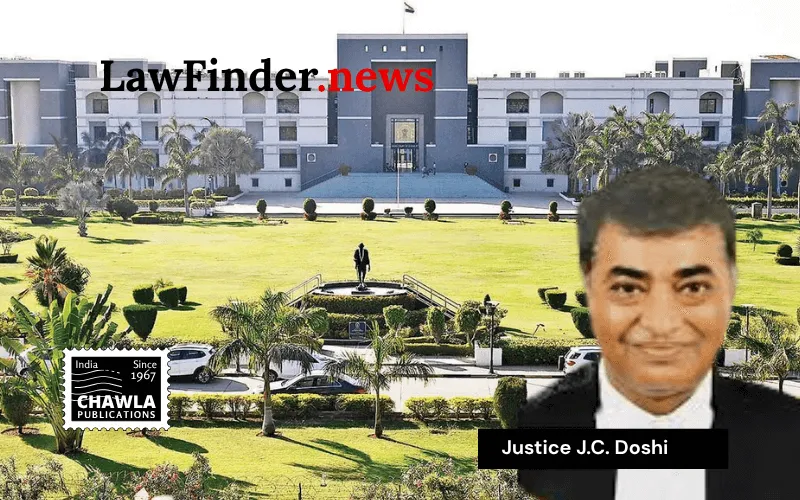
Legal heirship claims dismissed as court affirms nominee's right to collect dues
In a significant ruling, the Gujarat High Court has upheld the issuance of a succession certificate to Ranjanben Pratapsinh Dalal, the nominee of the deceased Pratapsinh Harwarilal Dalal, dismissing the claims of the revisionists who challenged the decision. The judgment, delivered by Justice J.C. Doshi, reinforces the legal position that nomination in service records grants authority to collect dues on behalf of legal heirs but does not establish absolute ownership.
The case revolved around the succession certificate granted to Ranjanben, who was nominated in the service records of her late husband, Pratapsinh, a Veterinary Doctor and Assistant Professor at the Veterinary and Animal Husbandry Agricultural University, Junagadh. The revisionists, led by Satvantiben Pratapsinh Dalal, claimed to be the legal heirs and contested the certificate, alleging fraudulent actions by the original petitioners.
Justice Doshi meticulously examined the documents and evidence presented, concluding that the revisionists failed to substantiate their claim to legal heirship with credible evidence. The court underscored that proceedings for granting a succession certificate are summary in nature and do not determine the final title of the parties involved.
The judgment elaborated on the legal implications of succession certificates, stating that they do not confer absolute ownership but serve as indemnity for debtors making payments to the certificate holder. Legal heirs retain the right to contest ownership in subsequent proceedings. The court cited precedents from the Supreme Court, including Banarsi Dass v. Teeku Dutta and Madhvi Amma Bhawani Amma v. Kunjikutty Pillai Meenakshi Pillai, emphasizing the certificate's role as a facilitative tool for collecting debts and protecting debtors.
Despite intricate questions surrounding heirship, the court affirmed that the nominee with prima facie best title could be granted the succession certificate. The judgment also addressed procedural aspects, noting that the revisionists did not adhere to rules for introducing additional evidence at the appellate stage.
The ruling carries significant implications for similar succession disputes, highlighting the distinction between nomination for service benefits and legal ownership rights. The judgment underscores the necessity for clear and credible evidence in challenging succession certificates, reiterating the nominee's role as a trustee for the deceased's estate.
Bottom Line:
Succession certificate - Nomination in service records does not establish absolute ownership but provides authority to collect dues on behalf of legal heirs - Proceedings for grant of succession certificate are summary in nature and do not determine final title of the parties.
Statutory provision(s): Indian Succession Act, 1925 Sections 372, 373, 384(1)(3), Code of Civil Procedure, 1908 Section 115