Supreme Court Quashes High Court's Remand Order in Long-Standing Revenue Dispute Reaffirms Finality of Past Decisions, Prevents Reopening of Settled Revenue Maps After 17 Years
In a significant ruling, the Supreme Court of India has overturned a remand order by the Allahabad High Court, thus reinforcing the principle that settled issues cannot be reopened after substantial delays without new cause. The case, titled Suvej Singh v. Ram Naresh, revolved around a contentious correction of a revenue map, with the apex court ruling that such corrections are impermissible once decisions have attained finality.
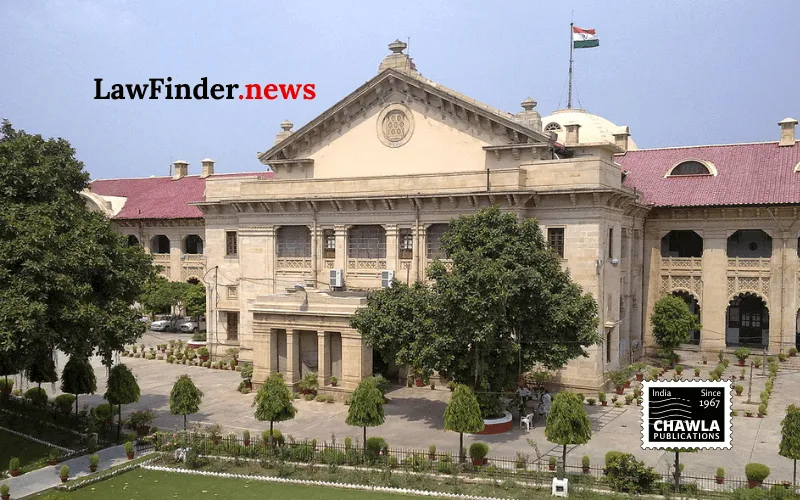
The dispute originated when private respondents filed an application for the correction of a revenue map concerning Plot No. 22 in Pilibhit, Uttar Pradesh. This application was initially dismissed in 1998, a decision upheld by the Additional Commissioner in 2001, thus achieving finality. However, after 17 years, the respondents sought to revive the issue under the Uttar Pradesh Revenue Code, 2006, seeking fresh corrections, which was again dismissed by local authorities. The Allahabad High Court's subsequent remand of the case to local authorities for reconsideration was challenged by Suvej Singh, the appellant.
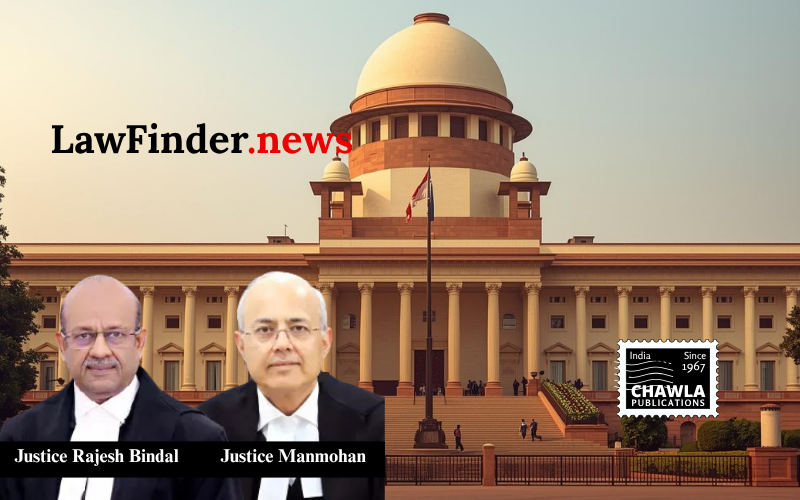
The Supreme Court, led by Justices Rajesh Bindal and Manmohan, observed that the High Court had misinterpreted Section 30 of the Uttar Pradesh Revenue Code, 2006. The apex court emphasized that Section 30 allows for corrections only in instances of errors or omissions, not for altering settled positions. The court also underlined the applicability of the principle of res judicata, which bars relitigation of issues that have been conclusively settled.
The judgment highlighted the misuse of remand orders, which often lead to unnecessary litigation and undermine judicial efficiency. The Supreme Court noted that remands should be avoided when they merely serve to reopen settled matters, thereby generating unwarranted fresh legal proceedings.
The court's decision aligns with its earlier judgments in cases such as M.C. Mehta v. Union of India and State of Uttar Pradesh v. Sudhir Kumar Singh, which stress the importance of avoiding unnecessary litigation and maintaining judicial economy.
By setting aside the High Court's order, the Supreme Court has once again reinforced the finality of judicial decisions and the limited scope for reopening settled disputes, especially in revenue matters. The ruling is expected to have a significant impact on similar cases, ensuring that judicial pronouncements once settled are not disturbed without compelling new evidence or cause.
Bottom Line:
Revenue Laws - Reopening settled issues after a substantial gap of time not permissible - Correction of revenue map cannot be sought after finality of earlier proceedings.
Statutory provisions: Uttar Pradesh Revenue Code, 2006 Section 30, Principle of res judicata
Suvej Singh v. Ram Naresh, (SC) : Law Finder Doc id # 2819758