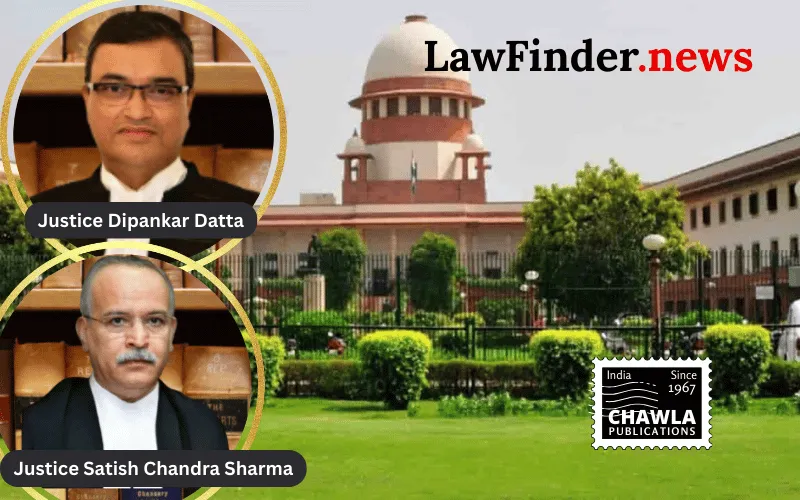
Court directs Central and State GST authorities to avoid duplication and adhere to Supreme Court guidelines for adjudicating tax matters.
In a significant ruling, the Himachal Pradesh High Court has emphasized the importance of preventing parallel adjudicatory proceedings by Central and State Goods and Services Tax (GST) authorities on the same subject matter. The judgment, delivered by Justices Vivek Singh Thakur and Sushil Kukreja, underscores the necessity for coordination between these authorities to ensure compliance with legal provisions and to prevent unnecessary duplication of efforts.
The case, M/s J.B. Rolling Mills Limited v. Union of India, revolved around the issuance of summons and show cause notices by both Central and State GST authorities. The petitioner, J.B. Rolling Mills Limited, sought to quash notices issued by the Central GST authorities, arguing that similar proceedings were already initiated by the State GST authority, thereby violating Section 6(2)(b) of the Central Goods and Services Tax Act, 2017.
The court referred to the Supreme Court's judgment in the case of Armour Security (India) Ltd., which laid down clear guidelines regarding the initiation of proceedings and the avoidance of parallel proceedings. According to this precedent, once one authority initiates proceedings, the other is barred from commencing parallel adjudicatory actions on the same subject matter. However, investigative steps are permissible unless they equate to initiating parallel proceedings.
The High Court directed the petitioner to comply with the summons and show cause notices, while also instructing the tax authorities to coordinate and verify the claims to prevent overlapping actions. The court stressed that the first-initiating authority should carry the matter to its logical conclusion if jurisdictional issues arise between the authorities.
The ruling aims to streamline the GST enforcement process, ensuring that authorities work in tandem rather than at cross purposes. This approach not only aids in optimal resource utilization but also protects taxpayers from the burden of facing multiple proceedings for the same issue.
Bottom Line:
Central and State Goods and Services Tax (GST) authorities are barred from initiating parallel adjudicatory proceedings on the same subject matter under Section 6(2)(b) of the CGST Act, 2017. Coordination between authorities is necessary to avoid duplication and ensure compliance with the law.
Statutory provision(s): Central Goods and Services Tax Act, 2017, Sections 6(2)(b), 70, 74