Court mandates amendments to permit conditions, allowing flexibility for medical and personal exigencies, ensuring constitutional compliance.
In a landmark judgment, the Himachal Pradesh High Court has declared the condition requiring auto-rickshaw permit holders to personally drive their vehicles as arbitrary and unconstitutional. The decision came in response to a petition filed by Sh. Satpal and others challenging the State Transport Authority's stipulation, which they argued imposed unreasonable restrictions and violated Articles 14 and 19 of the Indian Constitution.
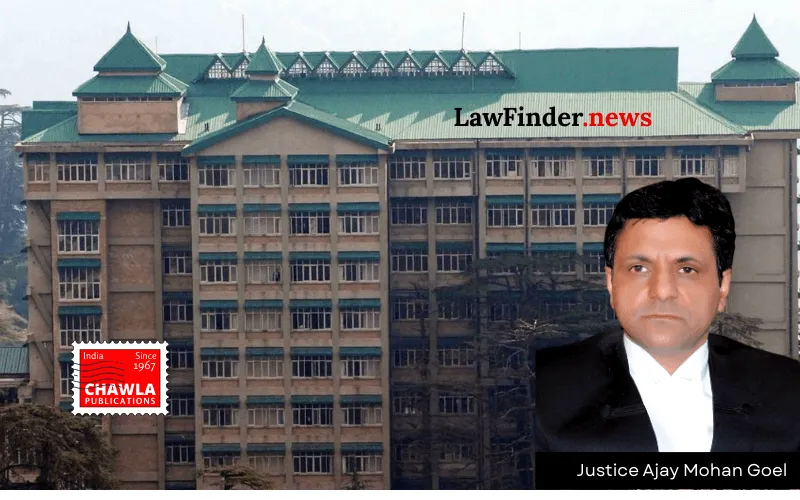
The case, adjudicated by Justice Ajay Mohan Goel, highlighted the impracticality of the condition, particularly in cases of medical incapacity or personal emergencies. The petitioners, represented by Advocate Mr. T.S. Bhogal, argued that such conditions hinder the ability of permit holders to manage their livelihoods effectively, especially when faced with health challenges or other unforeseen circumstances. They pointed out instances where permit holders were arbitrarily required to drive their vehicles, despite some facing serious health issues, such as cancer.
The court noted the inconsistency in permit conditions, with some permits having handwritten stipulations while others did not. This inconsistency further underscored the arbitrariness of the requirement. The defense, presented by Additional Advocate General Mr. Pushpinder Jaswal, maintained that the condition aimed to promote self-employment. However, the court found the argument unpersuasive, emphasizing that reasonable restrictions must accommodate practical realities.
Recognizing the need for reform, the court prompted the State Transport Authority to amend the existing conditions. The amended rules now allow permit holders to engage licensed drivers if they are medically unfit, physically challenged, or in the event of their death, thereby ensuring that their families can continue to earn a livelihood without violating the permit conditions.
The judgment has been lauded for its sensitivity to the challenges faced by permit holders and its adherence to constitutional principles. It underscores the judiciary's role in safeguarding citizens' rights against arbitrary state actions. The amendments are expected to bring relief to many auto-rickshaw operators in Himachal Pradesh who have been struggling under the weight of impractical permit conditions.
The Secretary of the State Transport Authority has issued instructions to all Regional Transport Authorities to incorporate these amendments in future permit orders, allowing engagement of licensed drivers without delay. The authorities have been directed to ensure operational control remains with the permit holder and prevent any misuse such as subletting or renting of permits.
The High Court's decision is a significant step towards ensuring that government policies remain grounded in fairness and practicality, aligning with the constitutional mandate to uphold citizens' rights and freedoms.
Bottom Line:
Imposing a condition requiring auto-rickshaw permit holders to personally drive the vehicle was held arbitrary and violative of Articles 14 and 19 of the Constitution of India. Amendments were introduced to allow engagement of drivers under specific conditions ensuring practical applicability of the permits.
Statutory provision(s): Articles 14, 19 of the Constitution of India; Motor Vehicles Act and Rules.
Sh. Satpal v. State of Himachal Pradesh, (Himachal Pradesh) : Law Finder Doc id # 2846638