Supreme Court Steps in to Resolve Supernova Real Estate Project's Insolvency Court Appoints Committee to Monitor Resolution, Ensures Protection for Home Buyers and Financial Creditors
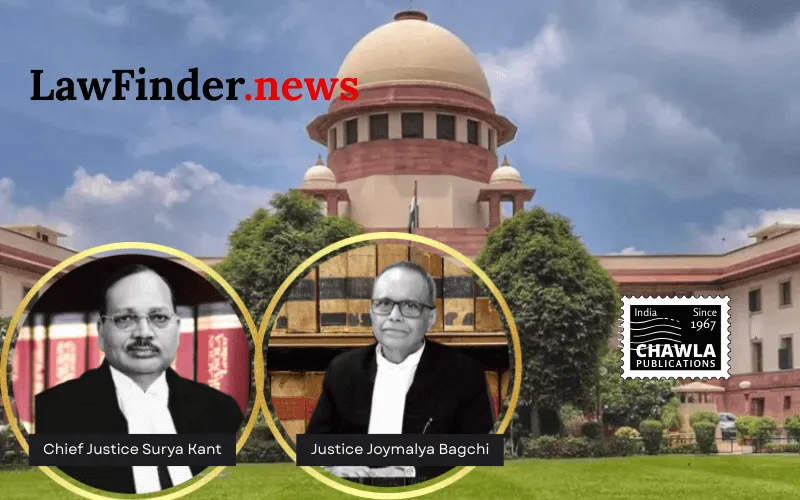
In a landmark judgment dated December 16, 2025, the Supreme Court of India has intervened in the ongoing insolvency proceedings of M/s Supertech Realtors Pvt. Ltd., overseeing the troubled 'Supernova' real estate project in Noida. The Court has invoked its powers under Article 142 of the Constitution to establish a court-monitored resolution process, aiming to balance the interests of various stakeholders, including home buyers and financial creditors.
The case stemmed from an appeal by Ram Kishore Arora, a suspended director of the Corporate Debtor, following the National Company Law Appellate Tribunal's (NCLAT) decision to uphold the admission of the company into the Corporate Insolvency Resolution Process (CIRP) under Section 7 of the Insolvency and Bankruptcy Code, 2016. The Supreme Court's intervention underscores its commitment to ensuring equitable justice and safeguarding the rights of affected home buyers.
A pivotal aspect of the judgment is the discharge of the existing Interim Resolution Professional and the Committee of Creditors. In their place, the Supreme Court has constituted a three-member Court-appointed Committee to oversee the resolution process. This Committee, chaired by Justice M. M. Kumar, will function with judicial oversight, replacing the suspended Board of Directors, and will handle all operational decisions related to the project.
The judgment highlights the failure of financial creditors to exercise due diligence in monitoring the financial health of the Corporate Debtor, which has diminished their claim of primacy over home buyers' interests. The Court has directed that all financial transactions be funneled through an escrow account, ensuring funds are strictly used for construction purposes. Additionally, a forensic audit of the company's accounts has been mandated to maintain transparency.
The Court has also facilitated the development process by directing authorities, including NOIDA, to expedite necessary approvals without insisting on prior dues. This move is expected to accelerate the project's completion, with a "zero period" declared for dues owed to NOIDA and financial lenders until the project's fruition.
The Supreme Court's decision is a significant step towards resolving the complex issues surrounding the stalled real estate project, providing a structured pathway for completion and ensuring the protection of stakeholders' rights.
Bottom Line:
Insolvency and Bankruptcy Code, 2016 - Supreme Court exercises powers under Article 142 of the Constitution of India to ensure a court-monitored resolution process for a stalled real estate project, balancing the interests of home buyers and financial creditors.
Statutory provision(s):
- Insolvency and Bankruptcy Code, 2016, Section 7
- Article 142 of the Constitution of India
Ram Kishore Arora v. Bank of Maharsthra, (SC) : Law Finder Doc Id # 2828302