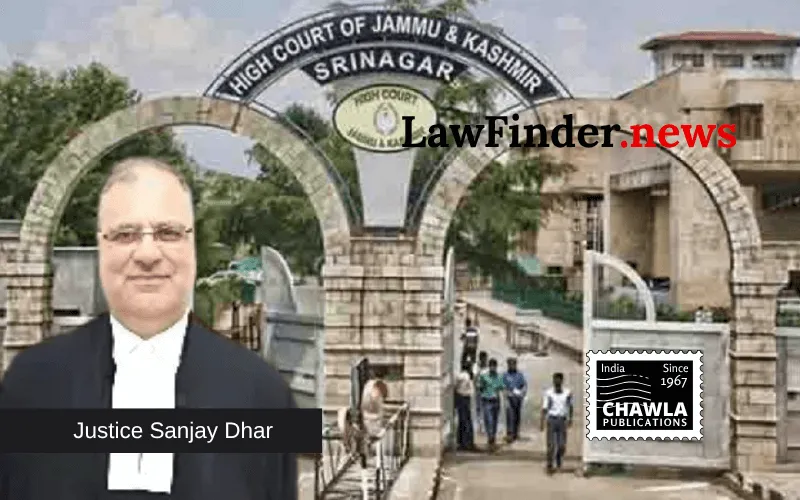
High Court Vacates Stay Order, Allowing Arbitration to Proceed for M & Company Engineers vs. J&K Economic Reconstruction Agency
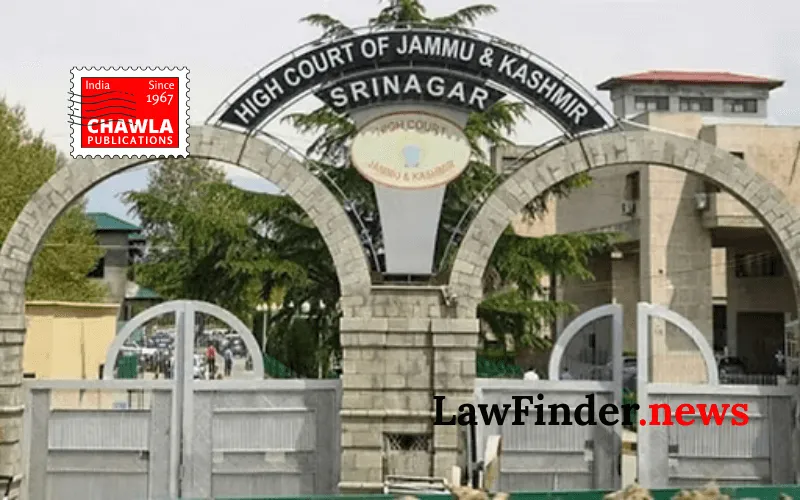
In a significant ruling on April 30, 2026, the Jammu and Kashmir High Court, presided by Justice Sanjay Dhar, has extended the mandate of an arbitral tribunal amidst a heated dispute involving M & Company Engineers and Contractors Pvt. Ltd. and J&K Economic Reconstruction Agency (J&K ERA). The decision follows a complex series of legal maneuvers surrounding the arbitration process initiated to resolve differences between the two parties.
The case, originally stemming from disputes over project execution and contractual obligations, saw both parties nominating arbitrators, with further complications arising when the presiding arbitrator withdrew. Despite the setback, the tribunal was reconstituted, entering into reference in November 2022. However, challenges persisted when J&K ERA contended that the tribunal's mandate had expired in November 2023, prompting them to seek termination of proceedings.
In a pivotal move, the High Court has clarified its stance on the tribunal’s mandate under Section 29A of the Arbitration and Conciliation Act, 1996. Justice Dhar reiterated that the court possesses the authority to extend the timeline for making an arbitral award even post-expiry of the stipulated period. This interpretation aligns with the Supreme Court's precedent in Rohan Builders (India) Private Limited v. Berger Paints India Limited, establishing that termination of the tribunal's mandate is conditional and not absolute.
The High Court's order dated December 9, 2025, had previously extended the mandate by three months. However, due to procedural oversight, the stay order from May 17, 2024, which halted tribunal proceedings, remained in effect. This stay was initially intended to allow the court to consider the extension application without ongoing arbitration complicating matters.
Justice Dhar's latest ruling vacates the stay, effectively permitting the tribunal to resume its function, now with an extended mandate. This decision underscores the court’s commitment to ensuring arbitration proceedings are conducted efficiently and without unnecessary interruptions, facilitating resolution of the dispute.
The ruling also rendered J&K ERA's petition under Article 227 of the Constitution, challenging the tribunal's order refusing termination of its mandate, infructuous. With the tribunal's mandate extended, the court dismissed the petition, emphasizing that the tribunal should have awaited the court's extension order before proceeding further.
This judgment highlights the intricate legal landscape surrounding arbitration in India, with courts playing a crucial role in balancing procedural requirements and the necessity for timely dispute resolution. As the tribunal resumes its proceedings, both parties are expected to engage constructively to reach a resolution under the extended timeframe.
Bottom line:-
Arbitration and Conciliation Act, 1996 - Section 29A(4) - Court has the power to extend the time for making an arbitral award even after the stipulated period has expired. Termination of the arbitral tribunal's mandate is conditional and not absolute; continuation of proceedings is possible upon filing and granting of an extension application.
Statutory provision(s):
- Arbitration and Conciliation Act, 1996 - Section 29A(4)
- Constitution of India - Article 227