NEET Scores Not Mandatory for BPT Admissions; Court Mandates National Level Counseling for Unfilled Seats
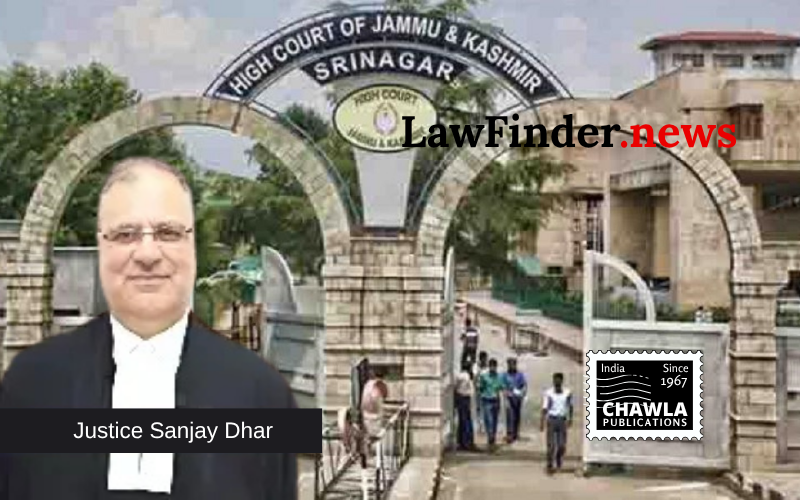
In a significant ruling, the Jammu and Kashmir High Court has addressed the contentious issue of admissions to Bachelor of Physiotherapy (BPT) courses and AYUSH courses in the Union Territory, ensuring a more inclusive and merit-based approach. The judgment, delivered by Justice Sanjay Dhar, highlights the unconstitutionality of requiring 100% domicile-based reservations and mandating NEET scores for BPT admissions without statutory backing.
The court was hearing petitions from Jammu College of Physiotherapy and Jammu Institute of Ayurveda and Research, challenging the government's policy of restricting admissions to domiciles of Jammu and Kashmir and mandating NEET scores for BPT courses, despite the absence of statutory requirements. The petitioners argued that these restrictions led to a significant number of seats remaining vacant, causing financial strain and waste of resources.
Justice Dhar underscored the right of educational institutions to manage admissions independently, as protected under Article 19(1)(g) of the Constitution. The judgment emphasized that while the government can regulate admissions to ensure transparency and merit-based selection, imposing NEET scores for BPT admissions is not justified without statutory requirements. Additionally, the court deemed the blanket domicile reservation unconstitutional, violating Article 14 and restricting the institution's right to occupation.
The court ordered that admissions to BPT courses should continue using NEET scores but allowed for relaxation in merit if seats remain vacant. Importantly, the court directed that in cases where domicile candidates are insufficient, counseling should be opened to candidates from across India, preventing wastage of seats and promoting diversity.
This judgment is poised to impact higher education policies in Jammu and Kashmir, ensuring a fairer admission process while safeguarding the rights of educational institutions. It also encourages a broader pool of applicants, enhancing the quality of education and resource utilization in the region.
The ruling aligns with precedents set by the Supreme Court, which condemned excessive domicile-based reservations, advocating for a balanced approach that accommodates both local and national candidates. This decision is expected to set a benchmark for other states grappling with similar issues, fostering an equitable and competitive academic environment.
Bottom Line:
The Court examined the legality and implications of requiring NEET scores for admission to Bachelor of Physiotherapy (BPT) courses and restricting admission to domiciles of UT of Jammu and Kashmir only, emphasizing the need to avoid 100% domicile-based reservation and suggesting measures to prevent wastage of seats.
Statutory provision(s): Articles 14, 15, 19(1)(g) of the Constitution of India, Jammu and Kashmir Para Medical Council Act, 2014, J&K Board of Professional Entrance Examination Act, 2002
Jammu College of Physiotherapy Jammu v. UT of J&K, (Jammu And Kashmir) : Law Finder Doc Id # 2796537