Court Emphasizes Mandatory Compliance with Rule 349 of J&K Police Rules for Valid Prosecution of Police Officers
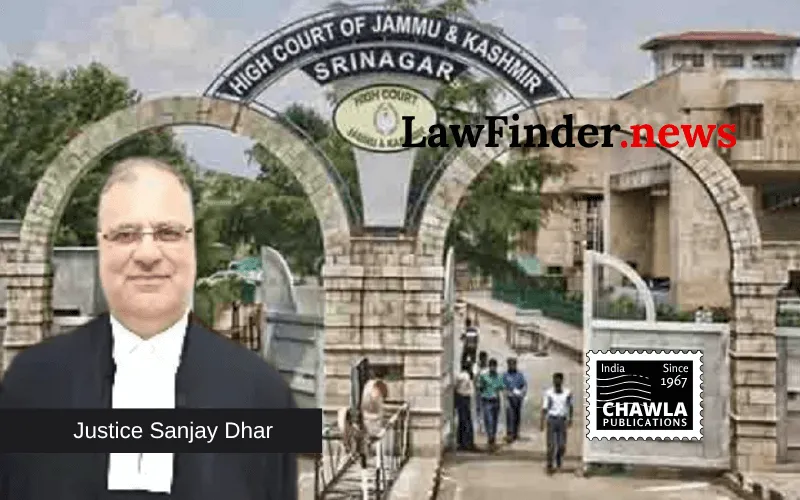
In a significant ruling, the Jammu & Kashmir High Court has affirmed the authority of Magistrates to discharge accused individuals in summons trial cases if the allegations do not constitute an offense. The judgment, delivered by Justice Sanjay Dhar, also emphasized the mandatory nature of Rule 349 of the J&K Police Rules, which requires reporting the substance of complaints against police officers to the District Magistrate.
The case in question involved petitioners Mohammad Yaseen and Waris Hussain Shah, police officers accused of dereliction of duty under Section 223 of the Ranbir Penal Code (RPC). The accusations stemmed from an incident where two accused individuals escaped police custody. The trial Magistrate initially discharged the petitioners, citing the non-compliance with Rule 349 and lack of previous sanction from the competent authority.
However, the State challenged this decision, and the Revisional Court reinstated the proceedings against the petitioners, arguing that the Magistrate lacked the power to discharge accused in summons trial cases. The High Court, upon review, set aside the Revisional Court's order and reinstated the trial Magistrate's decision.
Justice Dhar clarified that in summons cases, the Magistrate is empowered under Sections 242 and 249 of the J&K Criminal Procedure Code to stop proceedings if no offense is discerned at the stage of framing notice. The Court underscored that Rule 349 of the J&K Police Rules is mandatory, serving as a safeguard against frivolous and vexatious complaints against police officers. The non-compliance with this rule was deemed to invalidate the prosecution against the petitioners.
The judgment aligns with the principles laid down by the Supreme Court in similar cases, reinforcing that Magistrates must assess whether an offense is made out before proceeding further. The High Court's decision affirms the procedural protections for police officers and underscores the importance of adhering to statutory requirements in criminal prosecutions.
Bottom Line:
In summons trial cases, a Magistrate has the power to stop proceedings under Section 249 of J&K CrPC if the material placed before him does not justify continuance of the proceedings. Provisions of Rule 349 of the J&K Police Rules are mandatory and non-compliance renders the action against police officers invalid.
Statutory provision(s):
Criminal Procedure Code, J&K Sections 242, 249; J&K Police Rules Rule 349; Ranbir Penal Code Section 223.
Mohammad Yaseen v. State of J&K, (Jammu And Kashmir) : Law Finder Doc id # 2863366