Court Denies Petition to Quash Proceedings, Affirms Importance of Trial in Establishing Intent and Responsibility for Cheque Alterations
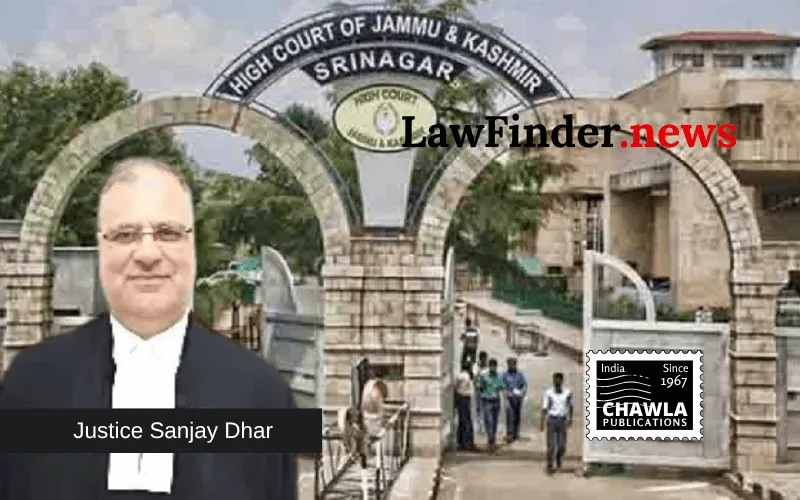
In a significant ruling, the Jammu and Kashmir High Court, presided over by Justice Sanjay Dhar, has refused to quash proceedings against Abdul Hamid Wani in a cheque dishonour case under Section 138 of the Negotiable Instruments Act. The case is currently pending before the Additional Mobile Magistrate, Shopian. The decision was rendered on November 21, 2025, in a judgment that underscores the necessity of a trial to ascertain the facts surrounding alterations made to a cheque.
The petitioner, Abdul Hamid Wani, sought to challenge the complaint lodged by the respondent, Abdul Hamid Lone, which accused Wani of issuing a dishonoured cheque due to alleged alterations in the cheque amount. The trial Magistrate had previously taken cognizance of the offence and initiated proceedings against Wani, prompting him to contest the validity of the complaint and the subsequent order.
Central to the dispute is a cheque purportedly issued by Wani for Rs. 14.00 lakhs, which was returned unpaid by the bank with the remark "alterations require drawer's authentication." Wani contended that the cheque was forged by the respondent, alleging that the amount was altered from Rs. 14,000 to Rs. 14.00 lakhs without his consent. He further claimed to have had sufficient funds in his account at the time.
Justice Dhar highlighted the importance of trial in determining whether the alterations were made by the drawer or the payee. Citing precedents, the judgment clarified that material alteration without authentication could result in liability under Section 138 of the Negotiable Instruments Act if done with intent to prevent cheque honouring. The court referred to the Supreme Court's decision in the case of M/s Lakshmi Dyechem v. State of Gujarat, which elucidated that dishonour due to deliberate acts, like alterations, constitutes an offence under Section 138.
Moreover, the court stressed that questions regarding the authenticity of alterations and the intent behind them are factual matters necessitating a trial. The judgment also noted that Wani's failure to respond to the demand notice sent by the respondent after the cheque's dishonour further complicates his stance, reinforcing the need for a trial to resolve the factual disputes.
In dismissing the petition, the High Court allowed Wani to raise his contentions during the trial, reaffirming the role of the trial court in examining evidence and determining the facts. The order further directed the trial Magistrate to continue with the proceedings.
This judgment reiterates the judiciary's cautious approach in cheque dishonour cases, emphasizing the trial's role in uncovering the truth and ensuring justice.
Bottom Line:
Negotiable Instruments Act - Dishonour of cheque due to alterations made in the cheque amount - Determination of whether dishonour constitutes an offence under Section 138 of the Negotiable Instruments Act depends on factual findings during trial.
Statutory provision(s): Section 138, Section 142, Section 87 of the Negotiable Instruments Act, 1881
Abdul Hamid Wani v. Abdul Hamid Lone, (Jammu And Kashmir)(Srinagar) : Law Finder Doc Id # 2812158