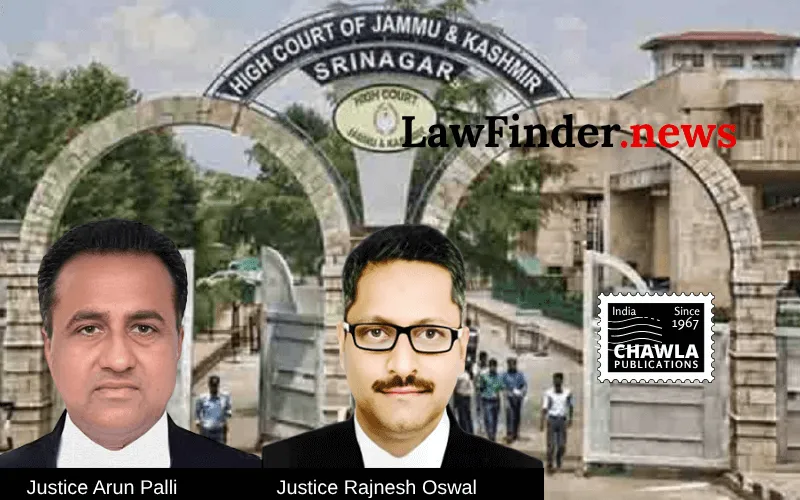
Court emphasizes inclusion of outstanding athletes and women in Sports Associations; non-compliance may lead to withheld grants.
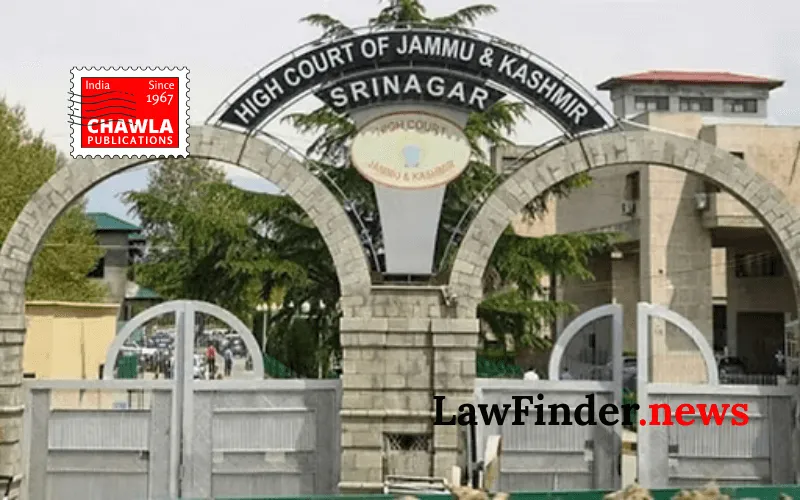
In a significant move towards ensuring fair and democratic functioning of sports associations, the Jammu and Kashmir High Court, in its recent judgment, has reinforced the importance of compliance with the National Sports Development Code, 2011, Sports Code 2013, and the J&K Sports Council's mandatory guidelines. The court, led by Chief Justice Arun Palli and Justice Rajnesh Oswal, emphasized the critical role of outstanding sports persons and women players in the membership and electoral processes of recognized sports associations.
The case, titled Bakhtawar Singh v. UT of J&K, highlighted the measures taken by the Jammu and Kashmir Sports Council to align sports associations with national and regional sports governance norms. The court acknowledged the Council's efforts to enforce compliance, including the representation requirement of 25% outstanding sports persons and 10% women players in these associations, granting them equal voting rights in executive body elections.
The judgment underscored the potential consequences for associations failing to adhere to these guidelines, including the withholding of financial grants and regulatory repercussions. The court was informed by the Secretary of the J&K Sports Council about ongoing systemic exercises aimed at ensuring the associations follow constitutional and electoral norms, eligibility criteria for office bearers, and maintain financial discipline.
During the proceedings, the court reviewed the compliance status of several associations, noting corrective actions taken in response to non-compliance, such as the resignation of key office bearers in the J&K Badminton Association following communication issues. However, disputes arose regarding the adherence to Rule 14 Clause (xiv)(k) of the J&K Sports Council Constitution, prompting the petitioners, represented by Mr. S.S Ahmed, to request additional time to present an affidavit detailing the true compliance status.
The court has adjourned the case to May 21, 2026, granting the petitioners the opportunity to substantiate their claims with a specific affidavit. This judgment is poised to set a precedent for sports governance in the region, ensuring that sports associations operate transparently and inclusively, reflecting the broader goals of national sports development.
Bottom line:-
Compliance with National Sports Development Code, 2011, Sports Code 2013, and J&K Sports Council mandatory guidelines is essential for recognized Sports Associations, including ensuring representation of outstanding sports persons and women players in their membership and Executive Body elections.
Statutory provision(s): National Sports Development Code, 2011; Sports Code 2013; Constitution of J&K Sports Council Rule 14 Clause (xiv)(k).
Bakhtawar Singh v. UT of J&K, (Jammu And Kashmir)(DB) : Law Finder Doc id # 2892851