Court Emphasizes Human Rights in Citizenship and Deportation Case Involving Young Boy
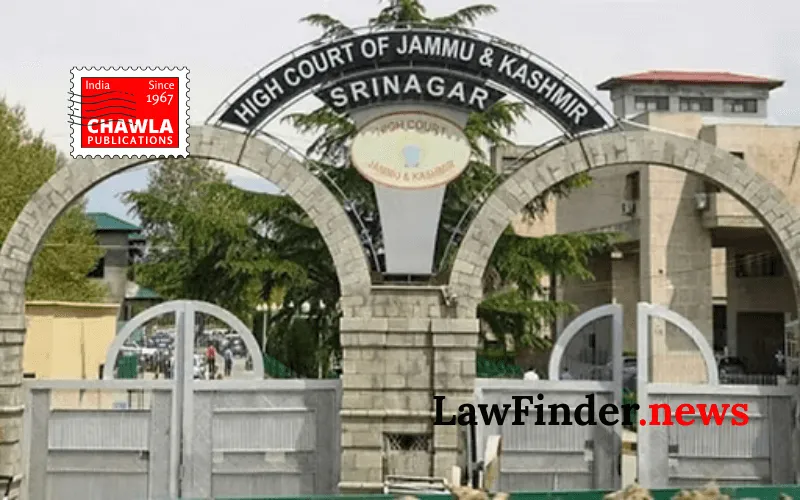
In a landmark judgment, the Jammu and Kashmir High Court has directed the Ministry of Home Affairs to facilitate the return of Aasim Sajjad, also known as Fardin Sajjad, from Pakistan to India. This decision comes as a significant relief for Sajjad Ahmed, the petitioner's father, who has been fighting for the retrieval of his son after an alleged unlawful deportation.
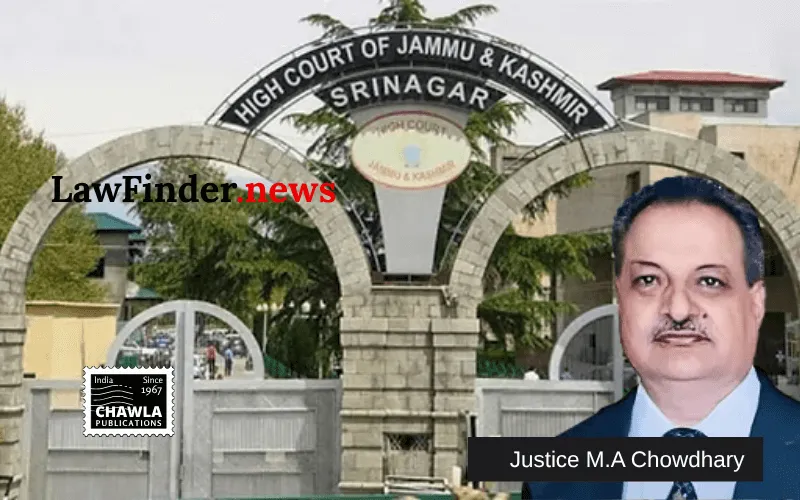
The court, presided over by Justice M A Chowdhary, emphasized the sacrosanct nature of human rights and values, directing that the minor should be allowed to return to pursue an extension of his long-term visa and application for Indian citizenship. The case highlighted the enduring human tragedies born from the partition of India and Pakistan, with families often caught in the middle of geopolitical tensions.
Sajjad Ahmed, a government teacher in Rajouri, Jammu, had traveled to Pakistan in 2005, where he married Shabnum Kouser and fathered a son, Fardin Sajjad. His wife, Shabnum, later moved to India with their son on a valid visa. However, following her death in 2013, Sajjad Ahmed faced immense challenges in securing citizenship for his son, who was eventually deported to Pakistan without due process, according to the petitioner.
The Ministry of Home Affairs had argued that the boy's stay in India was illegal as his visa had expired, and his deportation was in line with the sovereign power of the State. However, the court noted that the deportation process had not adhered to legal protocols, and the boy had lived in India since 2007, pursuing his education there.
In support of its decision, the court referred to a similar case, 'Rakshanda Rashid through Falak Zahoor v. Union of India & Ors', where the court had previously intervened to ensure the return of an individual facing deportation under comparable circumstances.
The judgment mandates that the Ministry of Home Affairs not only ensures the boy's return but also expedites the processing of his citizenship application, taking into account the humanitarian aspects of the case. The court has set a deadline of eight weeks for the Ministry to comply with these directions.
This ruling underscores the judiciary's role in upholding human rights and providing relief to individuals caught in complex legal and geopolitical situations. The case serves as a reminder of the ongoing impact of historical events on present-day lives and the need for compassionate consideration in legal processes.
Bottom Line:
Citizenship and human rights - Court directs Ministry of Home Affairs to retrieve the petitioner's son from Pakistan to India, enabling him to pursue extension of long-term visa and application for citizenship under Section 5(1)(d) of the Citizenship Act, 1955, considering the human aspects of the case.
Statutory provision(s): Section 5(1)(d) of the Citizenship Act, 1955
Sajjad Ahmed v. Union of India, (Jammu And Kashmir) : Law Finder Doc id # 2873405