Court highlights the importance of rehabilitation over retribution while addressing a case pending for over 46 years, reduces sentence to time served.
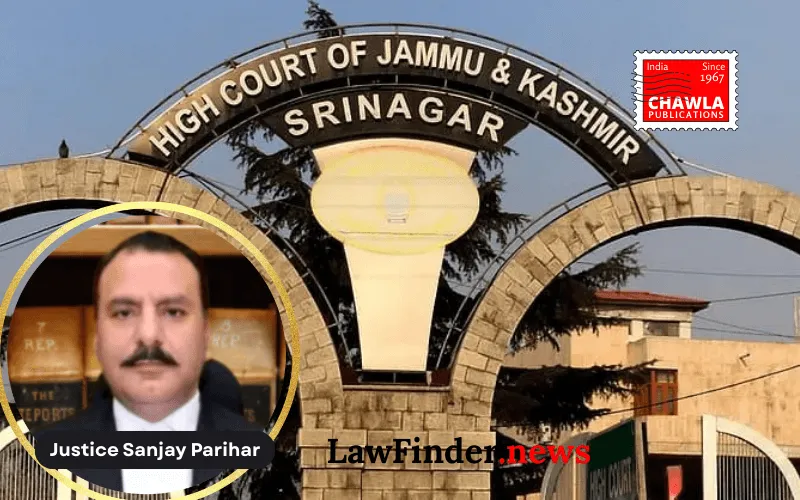
In a significant ruling, the Jammu and Kashmir High Court has reduced the sentence of Shameema Begum in a case that has remained unresolved for over 46 years, underscoring the critical importance of the right to a speedy trial as guaranteed under Article 21 of the Indian Constitution. Justice Sanjay Parihar, presiding over the case, emphasized the necessity of balancing deterrence, incapacitation, and rehabilitation in the sentencing process.
The case stems from an incident on July 10, 1979, where Shameema Begum was accused of causing grievous harm to her grandmother-in-law, who later succumbed to her injuries. Initially charged under Section 302 of the Ranbir Penal Code (RPC), the charges were later downgraded to Section 304-II RPC, resulting in a conviction after a protracted trial of thirty years. The appeal took an additional sixteen years to be adjudicated, highlighting profound systemic delays.
The appellant, now over seventy years of age and suffering from severe health issues, resides in a remote area of the Kashmir Valley. Her legal counsel argued that the extensive delay in the trial and appellate proceedings infringed upon her right to a speedy trial and warranted leniency in sentencing. Notably, the prosecuting agency did not appeal against her acquittal on the original charge of murder, nor did it contest the adequacy of the sentence imposed in 2009.
Drawing on precedents from the Supreme Court, including the landmark judgments in Pramod Kumar Mishra v. State of Uttar Pradesh and Vakil Prasad Singh v. State of Bihar, the High Court reiterated that sentencing should aim for rehabilitation, particularly in cases with significant delays. The court acknowledged that the incident occurred in the heat of passion, without premeditation, and that the appellant has already faced considerable incarceration and the distress of prolonged legal proceedings.
Given these circumstances, the High Court decided that maintaining the original sentence served no practical purpose. Consequently, it modified the sentence to time already served, along with a fine of Rs. 5,000, with a default simple imprisonment of three months if unpaid. This judgment serves as a poignant reminder of the systemic inefficiencies plaguing the criminal justice system and the need for reforms that prioritize timely justice.
Bottom Line:
Sentencing must strike a balance between deterrence, incapacitation, and rehabilitation, particularly in cases with prolonged delays in trial and appellate proceedings.
Statutory provision(s): Article 21 of the Constitution of India, Section 304-II RPC, Section 324 RPC, Section 302 RPC, Section 562 CrPC.
Shameema Begum v. State, (Jammu And Kashmir)(Srinagar) : Law Finder Doc Id # 2829632