Directions issued to Kerala State Election Commission to ensure smooth voting process and facilitate voter accessibility
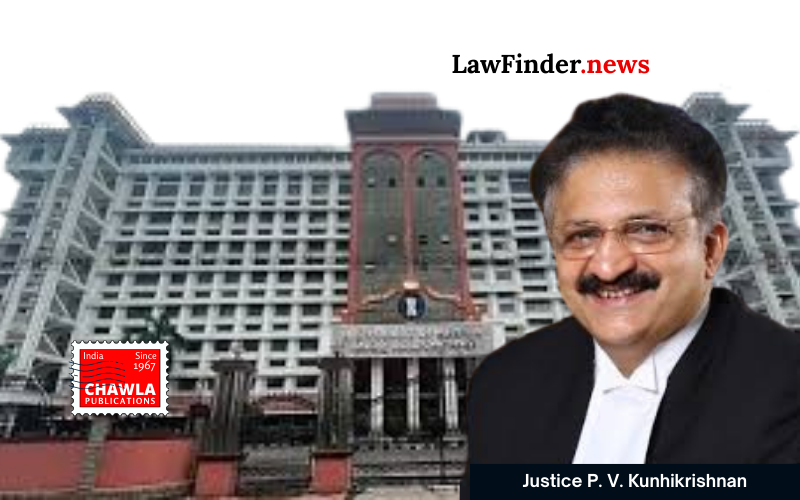
In a landmark judgment delivered by the Kerala High Court on October 29, 2025, Justice P.V. Kunhikrishnan underscored the critical importance of ensuring smooth and efficient voting processes in the upcoming Local Self Government Institutions election in Kerala. Responding to concerns raised by petitioners regarding potential overcrowding and insufficient polling booth arrangements, the court directed the Kerala State Election Commission to adopt measures that enhance voter accessibility and ease during the election process.
The case was brought before the court by petitioners N.M. Taha, a senior citizen from Velloor Grama Panchayat, Kottayam District, and an active politician from Porkulam Grama Panchayat, Thrissur District. Both petitioners expressed apprehensions that the current polling arrangements could lead to significant delays and potentially disenfranchise voters. The primary concern was the Election Commission's decision to restrict polling stations to 1200 voters per booth, which could be inadequate given the necessity for each voter to cast three votes in local body elections.
Justice Kunhikrishnan emphasized the importance of adequate polling arrangements, noting that long queues could deter voters, especially those with limited mobility or time constraints, thereby undermining democratic principles. The judgment highlighted statutory provisions under the Kerala Panchayat Raj Act, 1994, and the Kerala Municipality Act, 1994, which mandate the provision of sufficient polling stations to facilitate voter management and accessibility.
The court refrained from issuing an immediate mandate to increase polling booths, citing potential delays to the imminent electoral process. However, it issued several directives aimed at improving voter experience. These include implementing a queue management system with seating arrangements, ensuring the availability of drinking water at polling stations, and exploring technological solutions such as a mobile application for real-time voter queue monitoring and management.
The judgment called for proactive measures from the Election Commission, urging it to consider the possibility of all voters casting their votes and to provide necessary infrastructure accordingly. Justice Kunhikrishnan also commended the proposal for a Voter Queue Monitoring and Management System, which could help voters plan their visits to polling booths by providing real-time queue information.
In conclusion, the Kerala High Court's judgment reflects a commitment to upholding democratic values by ensuring that voters can exercise their rights without undue hardship. The court's directions aim to facilitate a smoother electoral process and empower voters, thereby strengthening the democratic fabric of the nation.
Bottom Line:
Election process - Provision of polling booths to ensure smooth voting process and avoid overcrowding - Directions issued to State Election Commission to make adequate arrangements for voters.
Statutory provision(s): Section 45 of the Kerala Panchayat Raj Act, 1994, Section 101 of the Kerala Municipality Act, 1994, Article 243-E and Article 243-U of the Constitution of India
N.M. Taha v. Kerala State Election Commission Janahitham, (Kerala) : Law Finder Doc Id # 2802255