In a landmark judgment, the Kerala High Court rules against the deduction of gratuity and pension for loan recovery, citing statutory protections.
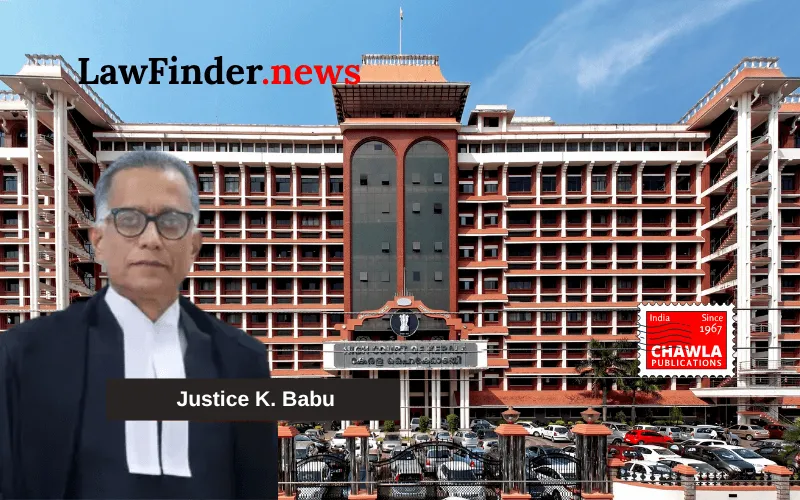
In a significant ruling on March 30, 2026, the Kerala High Court, presided over by Justice K. Babu, delivered a judgment preventing the recovery of Death-Cum-Retirement-Gratuity (DCRG) and pension amounts from retired government employees, even with prior written consent. The case involved petitioner Rajendran V., a retired Upper Division Clerk, against the Tahasildar and a Co-operative Society, which sought to recover outstanding loan amounts by deducting them from Rajendran's gratuity and pension.
The court found that such recovery attempts violate statutory protections under Rule 124 of the Kerala Service Rules and Section 60(1A) of the Code of Civil Procedure (CPC). The judgment emphasized that written consent for recovery is void if it conflicts with public policy, as outlined in Section 23 of the Indian Contract Act. The court reinforced that gratuity and pension are exempt from attachment or recovery, aligning with legislative intent to protect retirees' financial security.
Justice K. Babu underscored that the legislative exemptions under Section 60 of the CPC aim to safeguard gratuity and pension from attachment, which cannot be waived through consent. The court further highlighted that such attempts at recovery without due process infringe upon Articles 14, 21, and 300A of the Constitution of India, which protect the right to equality, personal liberty, and property.
The decision calls for a broader interpretation of Section 60(1A) to protect these financial safety nets from all forms of coercive recovery, not just judicial proceedings. The court's ruling points to the legislative policy of the Pensions' Act, 1871, and the Payment of Gratuity Act, 1972, which similarly safeguard pensions and gratuity from attachment.
The judgment has been referred to a Division Bench due to the significant public policy implications and potential conflicts with previous court decisions. The court acknowledged the valuable assistance of Amicus Curiae, Adv. K.M. Firoz, in reaching this decision.
Bottom Line:
Recovery of Death-Cum-Retirement-Gratuity (DCRG) and pension amounts cannot override statutory and constitutional protections. Written consent for such recovery is void if it violates public policy as per Section 60(1A) of CPC and Section 23 of the Indian Contract Act.
Statutory provision(s):
- Kerala Co-operative Societies Act, 1969 Section 37
- Kerala Service Rules, 1959 Rule 124
- Code of Civil Procedure, 1908 Section 60(1A)
- Indian Contract Act, 1872 Section 23
- Pensions' Act, 1871 Sections 11, 12
- Payment of Gratuity Act, 1972 Section 13
- Articles 14, 21, 300A of the Constitution of India
Rajendran.V v. Tahasildar, (Kerala) : Law Finder Doc id # 2884840