Court Orders Comprehensive Audit and Record Submission to Address Allegations of Corruption in Sabarimala Temple Administration
The Kerala High Court, in a significant move, has directed the Travancore Devaswom Board to undergo a comprehensive audit in response to serious allegations of financial mismanagement and irregularities in the administration of the Sabarimala Temple. The court's decision follows a suo motu case initiated to address concerns raised by the Sabarimala Special Commissioner's report, which highlighted grave issues regarding procurement practices, financial accountability, and administrative transparency within the temple's management.
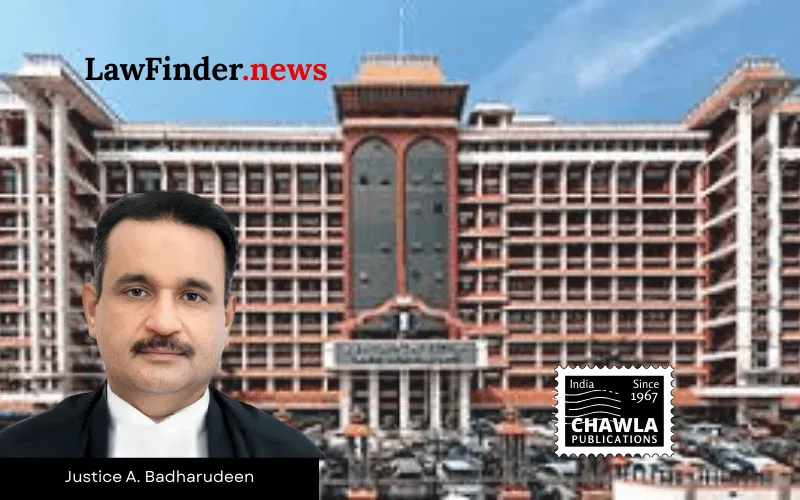
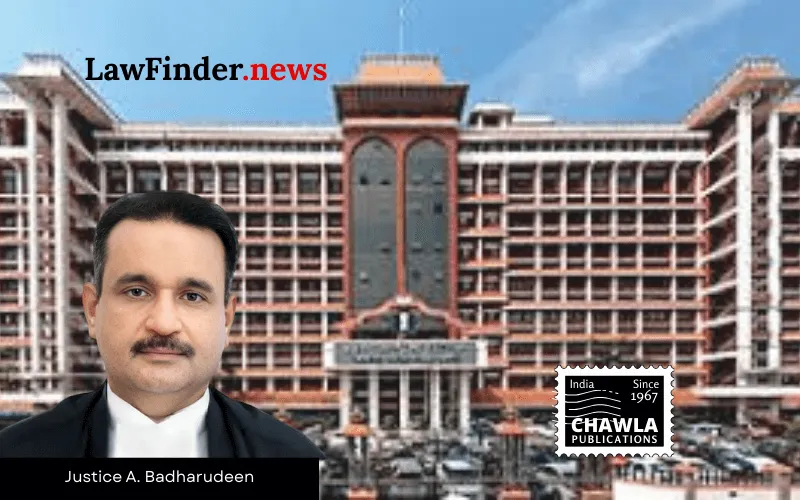
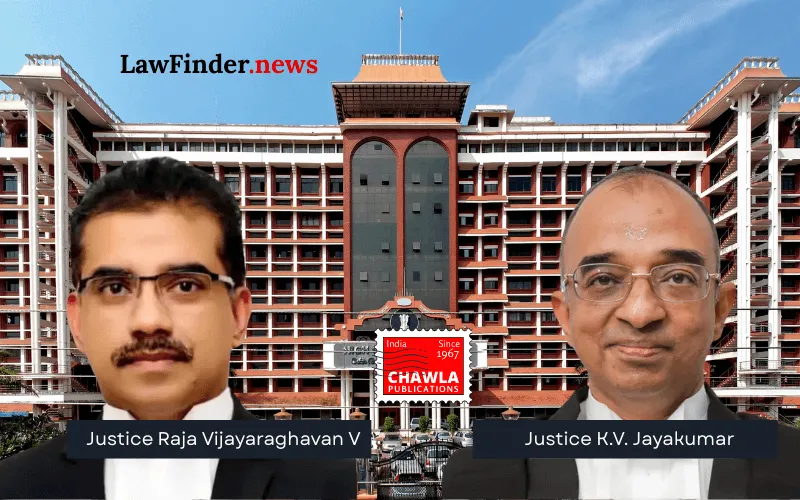
The bench, comprising Justices Raja Vijayaraghavan V and K.V. Jayakumar, expressed deep concern over the current practices of the Travancore Devaswom Board, an autonomous body responsible for managing over 1,250 temples in Kerala. The court underscored the Board's fiduciary duty to maintain transparency, accountability, and financial integrity, emphasizing that exemptions from financial controls, if any, must be rigorously documented and justified.
Central to the court's scrutiny are allegations of procurement without valid bills and receipts, particularly regarding the supply of pooja materials by a single individual, Sri Sunil Kumar. The report revealed that significant quantities of materials were supplied without proper documentation, raising the risk of corruption and misuse. The court criticized the Board's failure to adhere to basic financial principles, noting that the lack of documentation invites fraud and undermines public trust.
In response to these allegations, the Kerala High Court has ordered the Travancore Devaswom Board to submit all records related to the conduct of Ashtabhishekams and other rituals over the past decade. The Board is also required to produce details of materials supplied by any sponsors during this period, along with relevant records such as receipts, stock records, and audit reports. The Audit Department has been tasked with independently examining these records to assess the Board's compliance with accepted financial management and audit practices.
The court highlighted the importance of checks and balances to prevent financial irregularities, emphasizing that no public funds should be expended without adequate documentation. The High Court's decision aims to ensure that the Travancore Devaswom Board implements robust financial controls and maintains transparency in its operations, thereby safeguarding the interests of devotees and preserving the integrity of temple administration.
The case is scheduled for further hearing on June 19, 2026, by which time the court expects the audit report and relevant documentation to be submitted for review. This judicial intervention underscores the Kerala High Court's commitment to upholding financial accountability and transparency within public religious institutions.
Bottom line:-
Financial accountability and transparency in the administration of the Travancore Devaswom Board, particularly concerning procurement practices and compliance with financial regulations, are essential for maintaining public trust and preventing corruption in temple administration.
Statutory provision(s): Travancore Cochin Hindu Religious Institutions Act, 1950
Suo Motu v. State of Kerala, (Kerala)(DB) : Law Finder Doc id # 2919652