Court Upholds Availability of Alternative Dispute Resolution Mechanism, Limits Judicial Intervention in Contractual Matters
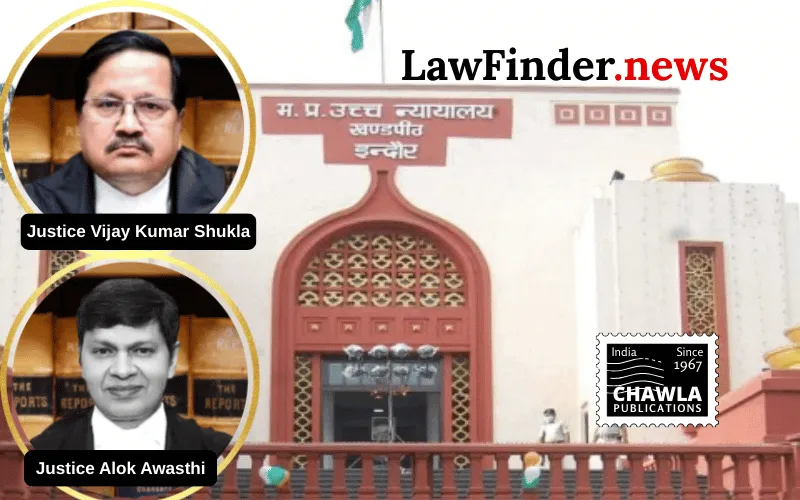
In a significant ruling, the Madhya Pradesh High Court has dismissed a writ petition filed by M/s. Prabha Exim Pvt. Ltd. challenging the rescission of their contract by the State of Madhya Pradesh. The court, comprising Justices Vijay Kumar Shukla and Alok Awasthi, emphasized the presence of an alternative dispute resolution mechanism as a primary reason for their decision, thus limiting judicial intervention in this contractual dispute.
The petitioner, M/s. Prabha Exim Pvt. Ltd., argued that the contract rescission was executed without adhering to the principles of natural justice, claiming that their responses to the show-cause notice were not duly considered. The petitioner sought relief under Article 226 of the Constitution of India, which permits the High Courts to issue certain writs.
The respondents, represented by counsel Shri Pradyumna Kibe, contended the maintainability of the writ petition, highlighting the alternative dispute resolution process outlined in Clause 12 of the contract. This clause provides a structured mechanism for dispute resolution, including appeals to a competent authority, an appellate authority, and the Madhya Pradesh Arbitration Tribunal under the Madhya Pradesh Madhyastham Adhikaran Adhiniyam, 1983.
After hearing arguments from both sides, the court underscored that while Article 226 is not absolutely barred despite the presence of arbitration clauses, it refrains from interference in cases where an effective alternative remedy exists. The court noted that the competent authority had followed due process by issuing a show-cause notice and considering replies before rescinding the contract.
Furthermore, the court pointed out that the alternative remedy provided a comprehensive framework for addressing the grievances raised by the petitioner, making judicial intervention unnecessary at this stage. The judgment referenced the Supreme Court's decision in Unitech Limited v. Telangana State Industrial Infrastructure, which supports the principle of exhausting contractual remedies before seeking judicial intervention.
In conclusion, the court dismissed the petition on grounds of an available and adequate alternative remedy, thereby reiterating the importance of dispute resolution mechanisms embedded within contracts. The decision serves as a reminder of the judiciary's limited role in contractual disputes where effective alternative remedies are available.
Bottom Line:
Exercise of jurisdiction under Article 226 of the Constitution of India is not barred despite the presence of an alternative dispute resolution mechanism, but interference in contractual matters is limited when an alternative efficacious remedy exists.
Statutory provision(s): Article 226 of the Constitution of India, Madhya Pradesh Madhyastham Adhikaran Adhiniyam, 1983.