Court Quashes Municipal Decision to Withdraw Permission for Traditional Procession and Fair Without Hearing
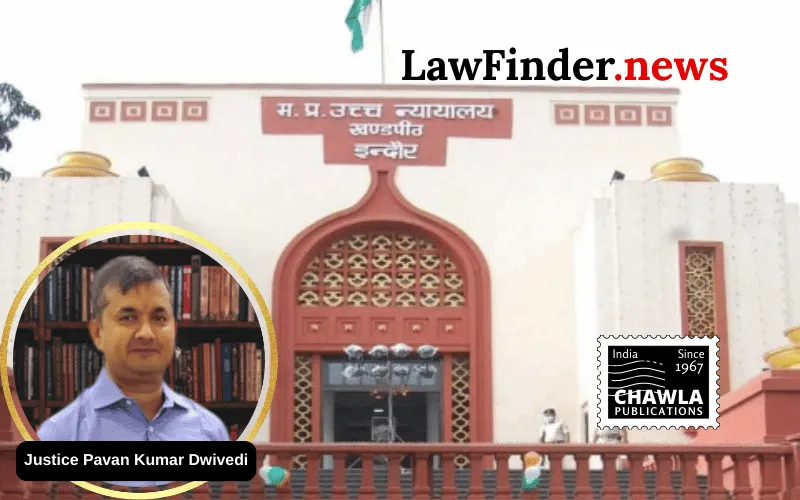
In a significant ruling, the Madhya Pradesh High Court has quashed the decision of the Mayor-in-Council (MIC) of the Municipal Corporation, Indore, which had withdrawn permission for the Waqf Karbala Intejamiya Committee to hold a traditional religious procession and fair (Mela) at Dhobhi Ghat, Indore. The court, presided over by Justice Pavan Kumar Dwivedi, emphasized that the withdrawal was executed without granting the petitioner an opportunity for a hearing, thereby violating the principles of natural justice.
The Waqf Karbala Intejamiya Committee, which organizes the annual Mela, had been granted permission by the Municipal Corporation on June 25, 2026. This permission was abruptly revoked by the MIC later the same day, citing alleged non-compliance with conditions from the previous year's event and pending fee payments. The petitioner contested this decision, arguing that the cancellation was unjust and caused irreparable harm, as preparations for the event were already underway.
Justice Dwivedi noted that the Municipal Corporation had not provided any evidence of last year's condition violations or outstanding fees. Moreover, the court highlighted the administrative lapse in decision-making, where the permission was granted and withdrawn at the last minute, creating unnecessary disruption for the organizers.
The court's order reinstates the original permission with all its conditions, allowing the Mela to proceed as planned. Additionally, the court directed the Municipal Corporation to ensure timely decisions on such applications in the future to prevent similar disputes.
This judgment underscores the judiciary's role in upholding procedural fairness and the importance of respecting legitimate expectations in administrative decisions.
Bottom Line:
Withdrawal of permission for holding a religious procession and fair (Mela) without providing an opportunity of hearing to the petitioner is violative of principles of natural justice and prejudices the legitimate expectation of the petitioner.
Statutory provision(s): Principles of Natural Justice, Legitimate Expectation, Administrative Procedure.