Interim Stay Granted Due to Procedural Fairness Concerns; Screening Rights Denied Without Certification
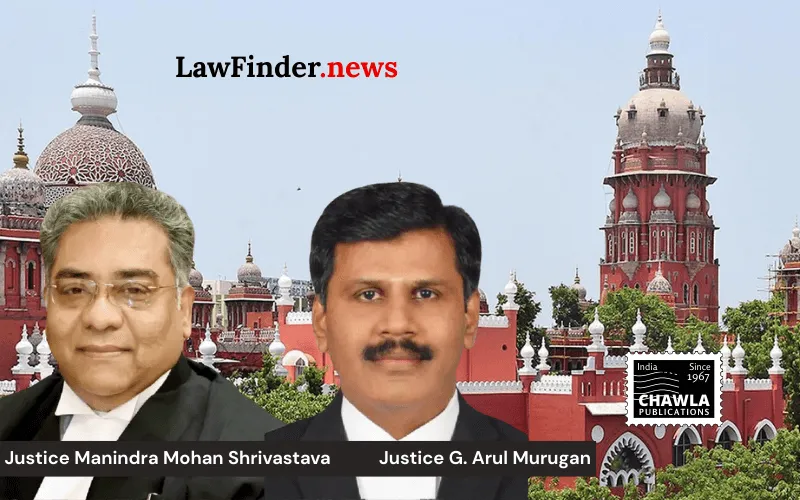
In a notable judgment, the Madras High Court has imposed an interim stay on an order passed by a Single Judge, which had allowed the screening of a film by KVN Productions LLP despite the absence of certification from the Central Board of Film Certification (CBFC). The Division Bench comprising Chief Justice Mr. Manindra Mohan Shrivastava and Justice G. Arul Murugan emphasized the importance of procedural fairness and adherence to principles of natural justice in judicial proceedings.
The appellants, represented by Solicitor General of India Mr. Tushar Mehta, argued that they were not given adequate time to file a reply to the writ petition, which was filed on January 6, 2026, and taken up for hearing the very next day. The appellants contended that the order dated January 6, 2026, was quashed without a challenge under a writ of certiorari, while the Single Judge entertained a writ of mandamus, an approach they deemed procedurally unfair.
The respondent, KVN Productions LLP, represented by Senior Counsel Mr. Mukul Rohatgi, argued for the urgency of the matter, as the film was scheduled for screening on January 9, 2026. However, the Division Bench was not convinced by the urgency argument, considering the lack of an official certification for the film, which is a mandatory requirement for screening rights.
The Madras High Court's decision underscores the judiciary's commitment to upholding procedural standards and ensuring that all parties receive a fair opportunity to present their case. The interim stay effectively halts the screening of the film until further judicial review.
The matter has been listed for final disposal on January 20, 2026, as agreed upon by both parties' counsel.
Bottom Line:
An order passed by a Single Judge in extreme urgency, without granting sufficient opportunity to the opposing party to file a reply, is liable to be stayed where procedural fairness is compromised.
Statutory provision(s): Principles of natural justice, Writ jurisdiction, Mandamus, Film Certification.