The Court Emphasizes Consideration of Informed Consent, Socio-Cultural Realities, and Rehabilitation in Quashing Decisions
In a landmark judgment, the Meghalaya High Court has articulated a nuanced approach towards quashing cases under the Protection of Children from Sexual Offences (POCSO) Act, 2012, particularly in instances involving consensual adolescent relationships. The court highlighted that while the POCSO Act is primarily designed to protect minors from sexual exploitation, there exists a need for judicial discretion in cases where the relationship is consensual, and the parties involved are close in age.
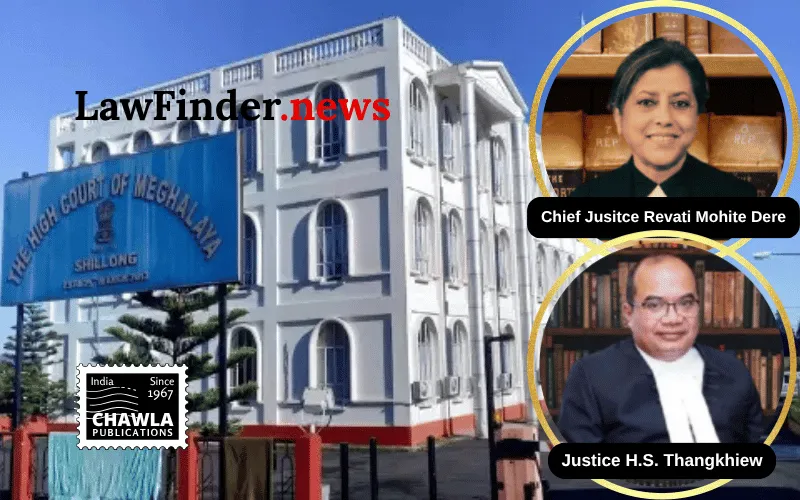
The Division Bench, comprising Chief Justice Revati Mohite Dere and Justice H.S. Thangkhiew, addressed a petition involving a 22-year-old man and a 16-year-old girl, who were in a consensual relationship and had a child together. The court, emphasizing informed consent and societal norms, stated that quashing of such cases is permissible under Section 528 of the Bharatiya Nagarik Suraksha Sanhita (BNSS), 2023, provided certain conditions are met.
The judgment recognized the unique socio-cultural context of Meghalaya, where a matrilineal system prevails, and adolescent relationships often lead to cohabitation and marriage. It underscored that a rigid application of the age of consent law without considering the context and voluntariness of the relationship may lead to disproportionate punitive outcomes, contrary to the rehabilitative aims of child-centric legislation.
In making its decision, the court referred to various precedents, including the Supreme Court's observations on the need for a "Romeo-Juliet" clause to exempt genuine adolescent relationships from the strictures of the POCSO Act. The judgment also called for a balance between the enforcement of the law and the lived realities of individuals, urging the state to promote awareness about the legal implications of such relationships.
The court laid down guidelines for exercising discretion in quashing POCSO cases, stressing the importance of verifying the genuineness of the victim's consent and considering factors like marriage, the welfare of the child, and societal recognition. It also highlighted the necessity of government schemes for victim rehabilitation.
Bottom Line:
Quashing of POCSO cases under Section 528 BNSS permissible in exceptional circumstances, considering informed consent, societal realities, and rehabilitation of victim and child born from the relationship.
Statutory provision(s): Protection of Children from Sexual Offences Act, 2012, Section 528 of Bharatiya Nagarik Suraksha Sanhita, 2023
Shri. Shalenbor Wahlang v. State of Meghalaya, (Meghalaya)(DB) : Law Finder Doc id # 2864953