REC Limited's Insolvency Petition Against Rattan India Power Limited Rejected Due to Lack of Financial Debt Claim
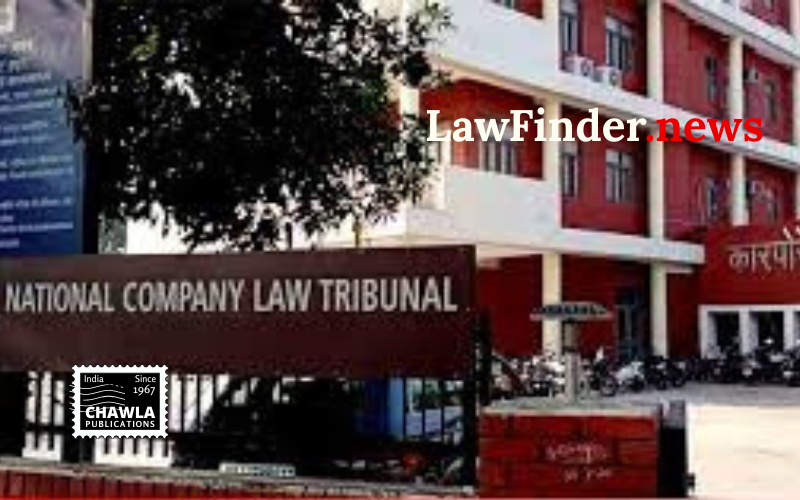
In a significant ruling, the National Company Law Tribunal (NCLT) New Delhi Bench has rejected an insolvency petition filed by REC Limited against Rattan India Power Limited, emphasizing that non-redemption of redeemable preference shares (RPS) does not equate to a default in payment of financial debt under the Insolvency and Bankruptcy Code, 2016 (IBC). The tribunal, led by Member (J) Ashok Kumar Bhardwaj and Member (T) Reena Sinha Puri, delivered its decision on September 17, 2025.
The case revolved around REC Limited's claim that Rattan India Power Limited had defaulted in redeeming RPS amounting to INR 28,72,09,780, along with dividends and interest. REC Limited argued that this non-redemption should be considered a financial debt default under Section 7 of the IBC, thereby warranting the initiation of Corporate Insolvency Resolution Process (CIRP).
However, the tribunal clarified that under Section 55 of the Companies Act, 2013, RPS can only be redeemed out of profits available for dividends or the proceeds of a fresh issue of shares. The tribunal noted that Rattan India Power Limited was unable to redeem the shares due to a lack of profits and fresh capital, which does not constitute a default in payment of financial debt.
During the proceedings, Rattan India Power Limited contended that preference shareholders do not automatically assume the character of creditors when their shares are not redeemed. They argued that shareholders of redeemable preference shares remain shareholders and do not transform into creditors, a stance supported by various judicial precedents cited during the hearing.
The tribunal's judgment aligns with established legal principles, affirming that preference share capital is considered equity, not a debt instrument. As such, the failure to redeem RPS due to non-availability of profits or fresh capital does not trigger insolvency proceedings under the IBC.
The tribunal also highlighted that REC Limited's argument lacked merit as the profits made by Rattan India Power Limited were not declared available for dividends, which is a necessary condition for redemption under the Companies Act, 2013. Consequently, the application filed by REC Limited was deemed not maintainable.
This decision underscores the distinction between equity instruments and debt instruments in corporate law, reaffirming that preference shareholders cannot seek insolvency remedies based solely on non-redemption due to statutory restrictions.
The ruling serves as a reminder for companies and investors regarding the legal framework governing preference shares and the conditions under which they may be redeemed. It also clarifies the rights of preference shareholders, who, despite having preferential rights, do not hold creditor status unless specific statutory conditions for redemption are met.
Bottom Line:
Redeemable Preference Shares (RPS) - Non-redemption of RPS due to non-fulfillment of conditions under section 55 of the Companies Act, 2013 does not constitute default in payment of debt under section 7 of the Insolvency and Bankruptcy Code, 2016.
Statutory provision(s): Section 7 of the Insolvency and Bankruptcy Code, 2016; Section 55 of the Companies Act, 2013
REC Limited v. Rattan India Power Limited, (NCLT)(New Delhi Bench) : Law Finder Doc Id # 2796769