The High Court exercises power under Section 482 Cr.P.C. to quash proceedings after parties settle disputes and obtain a mutual consent divorce.
In a significant judgment, the Orissa High Court has quashed the criminal proceedings in the matrimonial dispute between Dipak Kumar Mishra and his former spouse. The proceedings were quashed under Section 482 of the Criminal Procedure Code (Cr.P.C.) following the amicable resolution of differences between the parties and their subsequent mutual consent divorce under Section 13B of the Hindu Marriage Act, 1955.
The matter originated from allegations of dowry demand and threats of violence, which led to the registration of a case under sections 498(A)/34 of the Indian Penal Code and Section 4 of the Dowry Prohibition Act. However, the petitioner argued that these allegations were false and exaggerated, stemming from matrimonial incompatibility rather than criminal intent.
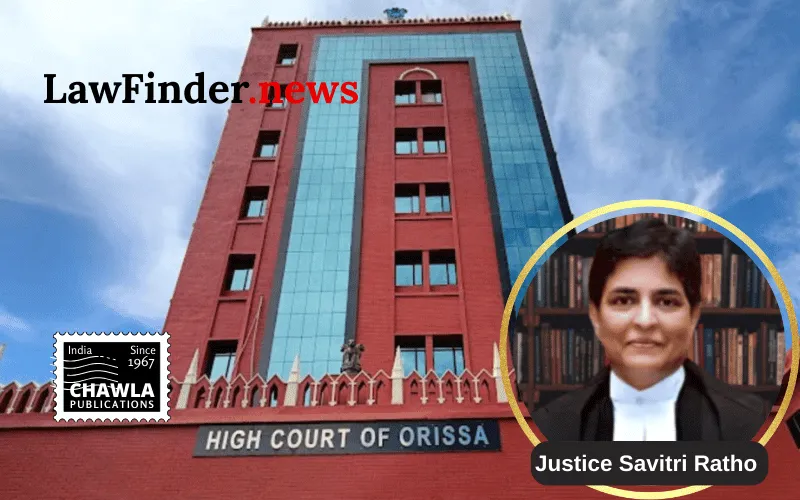
The judgment, delivered by Justice Miss Savitri Ratho, noted that the couple had dissolved their marriage through a decree of mutual consent divorce, as evidenced by documentation from the Family Court in Puri. Given the settlement of disputes and the mutual desire to move on, the court found that continuing the criminal proceedings served no constructive purpose.
The court emphasized the importance of resolving matrimonial disputes amicably to prevent the prolongation of litigation, which can be detrimental to both parties involved. Citing the Supreme Court's precedent in cases like Shilpa Sailesh v. Varun Sreenivasan, the judgment highlighted that courts should ensure settlements are free from coercion or undue influence, thereby respecting the autonomy of the parties involved.
In conclusion, the court's decision to quash the proceedings aligns with the judicial approach of securing the ends of justice while preventing the abuse of the court's process. This judgment underscores the judiciary's role in facilitating peaceful resolutions in matrimonial disputes, ultimately allowing the involved parties to pursue their lives unhindered by past conflicts.
Bottom Line:
Matrimonial disputes resolved amicably - Criminal proceedings quashed under Section 482 Cr.P.C. - Parties had settled their differences and obtained mutual divorce under Section 13B of Hindu Marriage Act - Continuation of prosecution deemed unnecessary.
Statutory provision(s): Section 482 Cr.P.C., Section 13B Hindu Marriage Act, 1955
Dipak Kumar Mishra v. State of Odisha, (Orissa) : Law Finder Doc id # 2860644