Court emphasizes that demand and acceptance of illegal gratification can be established through circumstantial evidence and credible testimony.
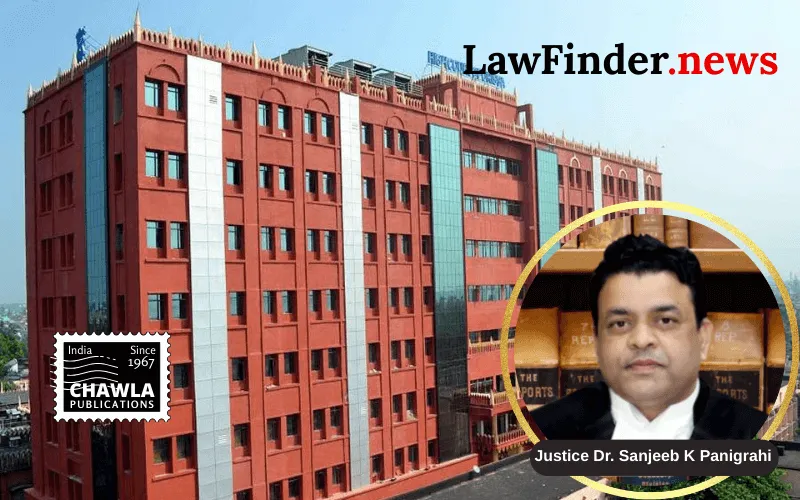
The Orissa High Court, in a landmark decision on May 22, 2026, upheld the directive for further investigation in a high-profile corruption case against Akhaya Kumar Rout and another petitioner. Presiding Judge, Dr. Sanjeeb K. Panigrahi, dismissed the petitioners' plea to quash the proceedings, emphasizing that the non-recovery of tainted currency does not undermine the prosecution if other incriminating evidence is available.
The case, rooted in a 2015 vigilance operation, involved allegations against Rout, a former Tahasildar, and a private Amin, for demanding a bribe of Rs. 4,00,000. Although Rs. 50,000 was alleged to have been handed over during a trap operation, the tainted money could not be recovered. Despite this, the Special Judge (Vigilance) had ordered further investigation in 2017, which the petitioners challenged as unwarranted and an abuse of process.
The Court's analysis underscored that the core of corruption offenses under the Prevention of Corruption Act, 1988, is the demand and acceptance of bribes. The Judge noted that corroborative evidence, such as a positive hand-wash test and witness testimony, could substantiate the charges, even in the absence of physical currency recovery.
The petitioners argued that the prolonged delay in investigation—over eight years—was grounds for quashing the case, citing a precedent where a nine-year delay had led to dismissal. However, the Court differentiated this case, noting that recent investigative efforts had uncovered new evidence, including witness testimonies regarding the disappearance of the bribe money.
Judge Panigrahi stated that the inherent powers of the Court should not be used to weigh evidence or resolve factual disputes pre-trial. He emphasized that issues of credibility and sufficiency of evidence should be adjudicated during trial proceedings, not in preliminary hearings.
Acknowledging the undue delay, the Court directed the investigating agency to expedite the submission of the final report within eight weeks, urging the trial court to ensure swift proceedings thereafter. This ruling reinforces the judiciary's commitment to thorough investigations in corruption cases, balancing the need for comprehensive evidence gathering with the rights of the accused to a timely resolution.
Bottom line:-
Demand and acceptance of illegal gratification are the gravamen of offences under the Prevention of Corruption Act, 1988. Non-recovery of tainted currency notes does not, by itself, vitiate prosecution, provided other incriminating evidence, including credible witness testimony, exists.
Statutory provision(s):
Criminal Procedure Code, 1973 Section 173(8), Prevention of Corruption Act, 1988 Sections 7, 13(1)(d), and 13(2), Criminal Procedure Code, 1973 Section 482, Bharatiya Nagarik Suraksha Sanhita, 2023 Section 528.
Akhaya Kumar Rout v. State of Odisha (Vigilance), (Orissa) : Law Finder Doc id # 2912640