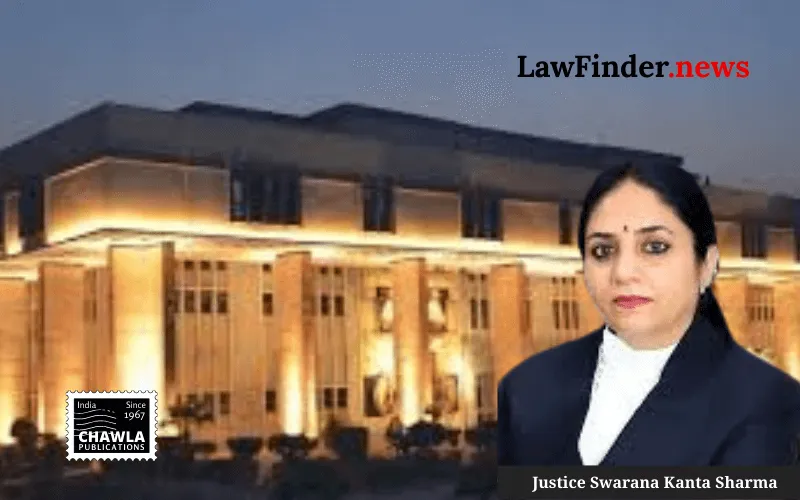
New Delhi, Apr 21 The Delhi High Court will on Wednesday hear a PIL seeking contempt action against AAP leaders Arvind Kejriwal, Manish Sisodia and others for allegedly uploading and sharing clips of the court hearing on the former chief minister's plea seeking recusal of Justice Swarana Kanta Sharma in the liquor policy case.
The PIL by advocate Vaibhav Singh is listed for hearing before a bench of Chief Justice D K Upadhyaya and Justice Tejas Karia.
Singh, in his PIL, submitted that unauthorised sharing of court recordings on social media can undermine the independence of the judiciary and is also prohibited under the high court rules.
Several leaders of AAP and members of various other opposition parties, like Congress leader Digvijay Singh, however, "intentionally and deliberately recorded and circulated" videos of Arvind Kejriwal's appearance before Justice Sharma on April 13 on social media platforms with the intention to malign the image of the court in the eyes of the public, the plea claimed.
Alleging that Kejriwal and his party members hatched the "conspiracy" and "dirty strategy" to record the court proceedings, the PIL urged that an SIT should be formed to investigate the matter and contempt proceedings should be initiated against "all respondents who uploaded, reposted, forwarded the recording of court proceedings dated 13.04.2026".
The PIL also prayed for the removal of the content from social media.
On April 15, Singh had filed a complaint with the high court registrar general against the alleged unauthorised recording of court proceedings.
Meanwhile, Justice Swarana Kanta Sharma on Monday refused to recuse herself from hearing the liquor-policy case, saying a litigant cannot be allowed to judge a judge without any material and judges cannot recuse themselves to satisfy a litigant's unfounded apprehension of bias.