High Court directs reevaluation of bail by Juvenile Justice Board considering juvenile's criminal exposure and lack of supervision.
In a significant ruling, the Punjab and Haryana High Court has set aside the bail granted to Harjinder Singh alias Gullu, a juvenile accused in a murder case, by the Juvenile Justice Board, Sirsa. The High Court has directed the Board to reassess the bail application, taking into account the juvenile's exposure to criminal elements and the absence of effective family supervision.
The case revolves around the murder of Devender alias Gaggu, with Harjinder Singh named as one of the accused in the FIR. The juvenile was initially granted bail by the Juvenile Justice Board under Section 12 of the Juvenile Justice (Care & Protection of Children) Act, 2015. The Board had concluded that the prosecution had not demonstrated that the juvenile's release would associate him with criminals or expose him to danger.
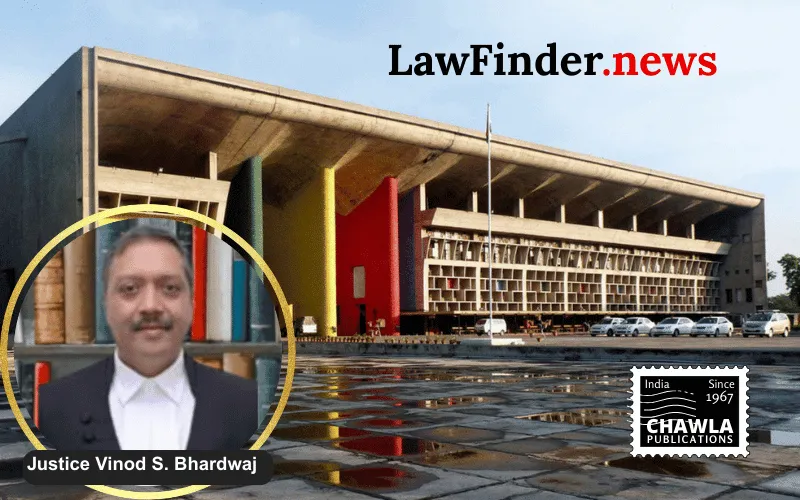
However, the High Court, presided by Justice Vinod S. Bhardwaj, critiqued the Board's decision for not independently evaluating the material facts. The Court highlighted that Harjinder Singh is involved in multiple criminal cases, with recent registrations post-bail suggesting ongoing exposure to criminal activities. The juvenile's father, currently imprisoned, has a history of 17 criminal cases, while his mother and brother are also absconding after being nominated in the murder case.
The High Court emphasized that the Juvenile Justice Board must consider the socio-economic background and the criminal antecedents of the juvenile's family while deciding bail applications. The judgment underscores the need for a holistic approach to juvenile justice that aligns with the reformative and rehabilitative goals of the Juvenile Justice Act.
The High Court rejected the contention that the petitioner should have sought an appeal before the Children's Court, asserting its jurisdiction under Section 102 of the Juvenile Justice Act. Given the circumstances, the Court found the direct intervention justified to ensure the juvenile's best interests.
The case has been remanded to the Juvenile Justice Board, Sirsa, for a fresh evaluation of the bail application, directing the state to follow the procedures outlined in the Juvenile Justice Act. The decision reflects the judiciary's commitment to safeguarding the welfare of juveniles while balancing the concerns of public safety and justice.
Bottom Line:
Juvenile Justice - Bail to a juvenile can be denied under Section 12 of the Juvenile Justice (Care and Protection of Children) Act, 2015, if there exist reasonable grounds that release is likely to bring the child into association with known criminals, expose him to moral, physical, or psychological danger, or defeat the ends of justice. The Juvenile Justice Board must independently evaluate the material to ensure the best interest of the child.
Statutory provision(s): Juvenile Justice (Care and Protection of Children) Act, 2015 Sections 12, 101, 102
Sandeep Singh Alias Seepa v. State Of Haryana, (Punjab And Haryana) : Law Finder Doc id # 2846369