Court Dismisses Petition Challenging Rejection of Nomination for Panchayat Elections
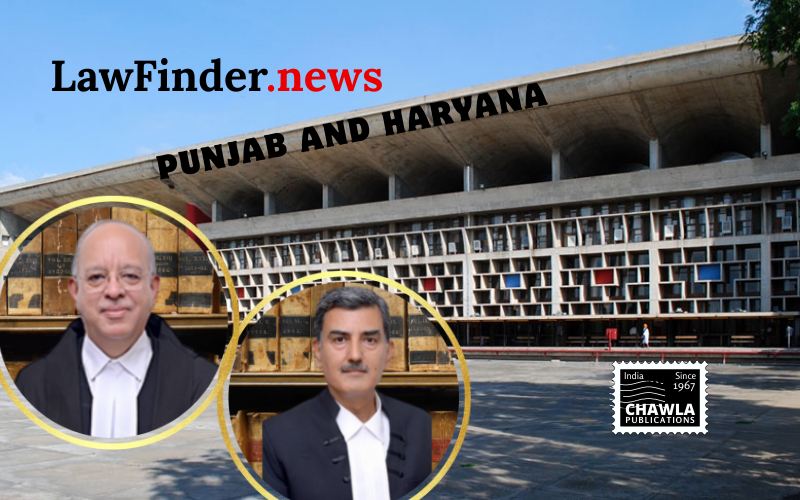
In a significant judgment reinforcing the sanctity of electoral processes, the Punjab and Haryana High Court, on December 5, 2025, dismissed a writ petition filed by Gursewak Singh, challenging the rejection of his No Objection Certificate (NOC) for filing nomination in the Zila Parishad and Panchayat Samiti elections in Punjab. The court, comprising Chief Justice Sheel Nagu and Justice Sanjiv Berry, cited Article 243-O of the Indian Constitution, which expressly bars judicial interference in electoral matters.
The petitioner, Gursewak Singh, represented by advocates Arun K. Kaundal and Randeep Singh Bains, argued that the refusal by the concerned Halka Patwari to verify his NOC was unjust and would prevent him from contesting the elections, thereby infringing upon his electoral rights. The legal team contended that Section 11 of the Punjab State Election Commission Act, 1994, should allow for judicial intervention in such scenarios.
However, the court maintained that, as per Article 243-O, any challenge to the election process, including issues like wrongful rejection of nomination papers, must be addressed through an election petition after the declaration of results. The bench highlighted that the constitutional provision was designed to protect the integrity and finality of the electoral process, preventing premature judicial intervention.
Senior Advocate Maninder Singh, representing the State of Punjab, supported the constitutional bar, emphasizing the importance of adhering to the prescribed legal framework for addressing electoral grievances.
The court further noted that no exceptional circumstances were presented that could justify bypassing the constitutional mandate, such as evidence that the election was rendered a farce. Thus, the writ petition was dismissed, underscoring the principle that electoral disputes should be settled through designated electoral petitions post-election.
The decision serves as a reminder of the judiciary's role in upholding constitutional provisions and ensuring that electoral processes remain unaffected by judicial interference until the completion of elections.
Bottom Line:
Courts are barred under Article 243-O of the Constitution of India from interfering in electoral matters, including wrongful rejection of nomination papers, except through an election petition after the declaration of results.
Statutory provision(s): Article 243-O of the Constitution of India, Section 11 of the Punjab State Election Commission Act, 1994
Gursewak Singh v. State of Punjab, (Punjab And Haryana)(DB) : Law Finder Doc Id # 2819849