Court rules Karewa marriage does not sever dependency ties, allowing widows to retain family pension benefits.
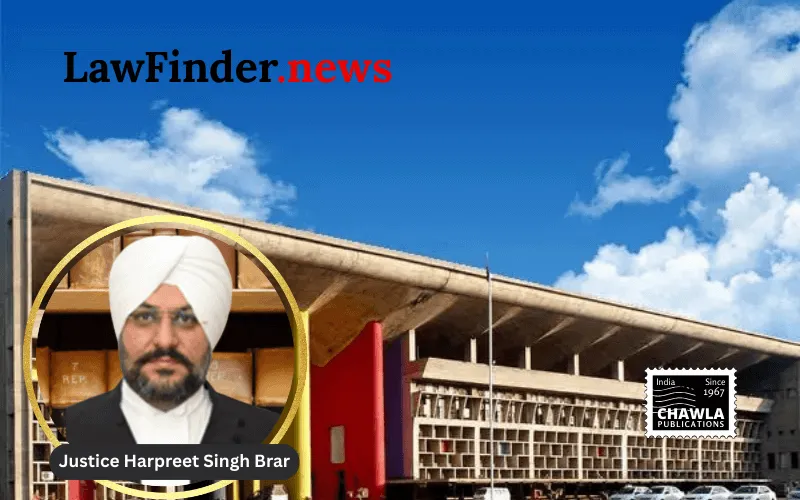
In a landmark judgment, the Punjab and Haryana High Court has ruled in favor of Uma Devi, a widow who remarried her deceased husband's brother in a customary Karewa marriage, stating that such a remarriage does not disqualify her from receiving a family pension. The ruling, delivered by Justice Harpreet Singh Brar, emphasizes that the customary practice of Karewa marriage does not sever the dependency ties with the deceased husband's family and thus should not be considered a remarriage under the service rules that disqualify widows from family pension benefits.
The case involved Uma Devi, who was initially granted a family pension following the death of her husband, Alam Singh, in 1988. Following her customary remarriage to Alam Singh’s brother, Anand Singh, the pension authorities stopped her pension, arguing that her remarriage disqualified her under the existing rules.
However, the court found that Karewa marriage, recognized under Section 7 of the Hindu Marriage Act, 1955, serves a social and rehabilitative purpose, preserving familial ties and responsibilities. Justice Brar noted that such marriages provide financial stability and continuity for the widow and her children, maintaining the communal support structure of the deceased's family.
The court further observed that family pension is not a mere bounty but a necessary fiscal security for dependents, aligning with the dignified life envisaged under Article 21 of the Constitution of India. By interpreting the service rules liberally, the court sought to harmonize statutory mandates with social realities, ensuring that widows like Uma Devi continue to receive support without being penalized for adhering to customary practices.
In addition, the court addressed the issue of excess family pension disbursement, ruling that recoveries from pensioners are impermissible unless fraud or misrepresentation is proven, reinforcing the principle that retirees and their families should not be unduly burdened by administrative errors.
This judgment sets a precedent for interpreting pension rules in light of social customs and underscores the judiciary's role in safeguarding the welfare and dignity of dependents of deceased employees.
Bottom Line:
Karewa marriage does not disqualify a widow from receiving family pension under the applicable service rules, as remarriage to the deceased husband's brother and continuation of communal life does not sever dependency ties with the deceased's family.
Statutory provision(s): Articles 21, 226/227 of the Constitution of India, Hindu Marriage Act, 1955, Family Pension Scheme, 1964, Punjab Civil Services Rules Volume II, Haryana Civil Services (Pension) Rules, 2016.
Uma Devi v. Managing Director, UHBVNL, (Punjab And Haryana) : Law Finder Doc id # 2860681