Court Orders Strict Adherence to SOPs, Prohibits Public Parading and Social Media Condemnation of Arrestees
In a significant judgment, the Rajasthan High Court has come down heavily on the police for misconduct involving public humiliation and breach of fundamental rights. The case, "Puranmal v. State of Rajasthan," revolved around the allegations that the petitioner, Puranmal, was subjected to degrading treatment by police officials, including being forcibly shaved, dressed in women’s clothing, and paraded publicly, with the incident being shared widely on social media.
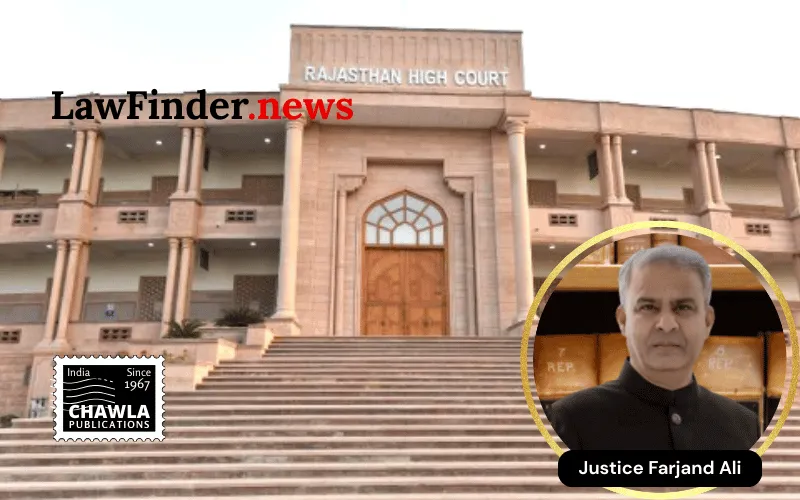
Presiding over the matter, Justice Farjand Ali emphasized that the actions of the police violated Articles 14, 19, and 21 of the Constitution of India, which guarantee equality before the law, freedom of expression, and the right to life with dignity, respectively. The court noted that such acts strike at the very core of human dignity and constitutional morality, and cannot be justified under any circumstances.
The court's judgment highlighted the impermissibility of extrajudicial punishment and media trials, reaffirming the presumption of innocence until proven guilty. It criticized the police for overstepping their statutory authority and engaging in acts that amounted to public shaming and humiliation, which not only violated fundamental rights but also eroded public confidence in the justice system.
The judgment outlined a comprehensive set of guidelines for police conduct, directing strict adherence to Standard Operating Procedures (SOPs) and prohibiting public parading, disrobing, or degrading treatment of individuals in custody. It also mandated that any act of social media condemnation facilitated by police authorities be construed as a form of punishment not sanctioned by law.
The Superintendent of Police, Nagaur, was summoned to furnish an explanation, where he assured the court that measures would be taken to ensure such incidents are not repeated. The court, while refraining from further action against the officials involved, reserved the petitioner’s right to seek damages or compensation through appropriate legal remedies.
The case has been a pivotal moment in reinforcing the constitutional mandate that all state actions must conform to principles of fairness, dignity, and due process, thereby safeguarding individual rights and upholding the rule of law.
Bottom line:-
Police officials cannot subject an individual, especially an arrestee, to public humiliation, such as parading in public or disseminating photographs or videos on social media, as it violates their fundamental rights under Articles 14, 19, and 21 of the Constitution of India.
Statutory provision(s): Articles 14, 19, 21 of the Constitution of India
Puranmal v. State of Rajasthan, (Rajasthan) : Law Finder Doc id # 2907431