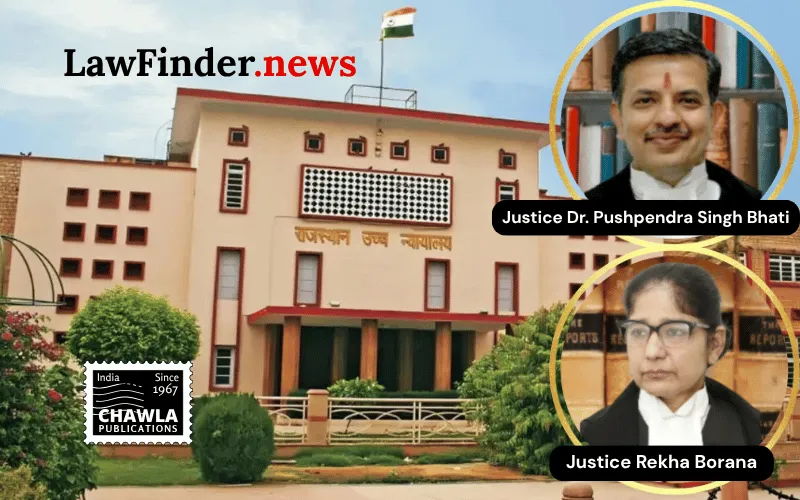
Court orders immediate action to preserve Udaipur's lakes and water bodies, ensuring ecological sustainability and protection of constitutional rights.
In a significant move aimed at preserving the ecological heritage of Udaipur, the Rajasthan High Court has initiated a suo motu Public Interest Litigation (PIL) to address the pressing issues of encroachments, pollution, and unregulated development impacting the city's lakes and water bodies. The bench, comprising Dr. Pushpendra Singh Bhati and Rekha Borana, JJ., underscored the vital importance of these water bodies for ecological balance, groundwater recharge, and biodiversity conservation, aligning with constitutional rights to a clean and healthy environment.
The court's decision emerged from alarming reports published in the Rajasthan Patrika, highlighting the degradation of Udaipur's lakes due to urban pressures and inadequate maintenance. The reports pointed out challenges such as encroachments on lake areas, structural failures in canal infrastructure, and the ecological impact of developmental activities near sensitive water bodies like Fatehsagar Lake.
In its order dated June 5, 2026, the court mandated a comprehensive approach for the identification, mapping, and protection of Udaipur's lakes and associated ecosystems. Interim measures include prohibiting untreated sewage discharge and preventing further encroachments. The court also emphasized the need for coordinated conservation efforts involving multiple government departments, including the Department of Environment, Urban Development, and the Rajasthan State Pollution Control Board.
The bench directed the respondents to file detailed affidavits outlining the current status and conservation measures for major lakes such as Pichola Lake, Fateh Sagar Lake, and others. Additionally, the court called for an action plan detailing short-term, medium-term, and long-term strategies for sustainable management of these water resources.
This judicial intervention underscores the critical role of lakes and water bodies in maintaining Udaipur's environmental health and cultural identity. The court's proactive stance aims to ensure that these vital ecological assets are preserved for present and future generations, in line with the Public Trust Doctrine enshrined in the Indian Constitution.
Bottom line:-
Protection and conservation of lakes and water bodies are essential for ecological sustainability and safeguarding the constitutional right to a clean and healthy environment. Encroachments, pollution, and unregulated developmental activities around water bodies require immediate judicial scrutiny and coordinated intervention.
Statutory provision(s): Article 21, Article 48A, Article 51A(g) of the Constitution of India, Article 226 of the Constitution of India.
Suo Motu : In Re v. State of Rajasthan, (Rajasthan)(DB) : Law Finder Doc id # 2919666