Landmark Interim Directions Issued to Curb Unregulated Safari Activities and Safeguard the Habitat of the Indian Leopard
In a significant move to protect the fragile ecological balance of the Jawai region in Rajasthan, the Rajasthan High Court has issued interim orders to regulate tourism activities, particularly safari operations, in the area. This directive comes in response to a Public Interest Litigation (PIL) highlighting the ecological stress and disturbance caused by unregulated tourism, which threatens both the unique biodiversity and the traditional lifestyle of local communities in the region.
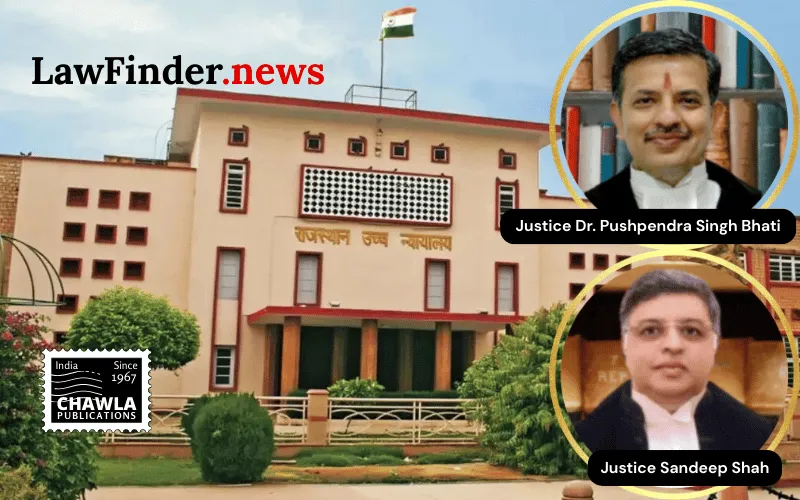
The Division Bench, comprising Dr. Pushpendra Singh Bhati and Sandeep Shah, delivered the judgment, emphasizing the constitutional mandate under Article 48A of the Indian Constitution, which obligates the State to protect and improve the environment and safeguard forests and wildlife. The court underscored that the preservation of ecological balance and wildlife habitat is deeply linked with the right to life under Article 21.
The PIL, filed by Apoorva Agrawat, raised concerns about the detrimental impact of unregulated tourism activities, including night safaris that use disruptive devices like torch lights and drones. These activities have not only posed a safety hazard for tourists but have also resulted in significant harassment and stress to the wildlife, particularly leopards, which are integral to the region's ecosystem.
In its interim order, the court has restricted safari activities to the hours between 6:00 a.m. and 7:00 p.m., aligning with the practices followed in Ranthambore National Park. The use of any devices that disturb wildlife has been strictly prohibited, with the court directing immediate preventive and enforcement measures against violators. Furthermore, any misconduct by safari operators or local hospitality staff that disturbs or harasses wildlife will be met with swift legal action.
The Jawai region, known for its unique coexistence of humans and wildlife, particularly the Indian leopard, is not yet a formally notified wildlife sanctuary, making it vulnerable to commercial exploitation. The court's orders aim to address this regulatory vacuum, ensuring the protection of its biodiversity and promoting long-term conservation efforts.
The respondents, including the State of Rajasthan, have been directed to file their replies by April 20, 2026, when the court will further contemplate additional measures to safeguard the region's ecological integrity.
Bottom Line:
Public Interest Litigation concerning protection of Jawai region's natural habitat, emphasizing ecological preservation, wildlife conservation, and regulation of unregulated tourism activities.
Statutory provision(s): Article 48A of the Constitution of India, Wild Life (Protection) Act, 1972
Apoorva Agrawat v. State of Rajasthan, (Rajasthan)(DB) : Law Finder Doc id # 2874243