Chandigarh, Jun 7 The Punjab and Haryana High Court has held that retired IAS officer Ashok Khemka be treated as an empanelled additional secretary and secretary for future assignments.
The verdict came on the Haryana-cadre, 1991-batch officer's plea, contending that he was not empanelled as additional secretary or secretary to the government of India on the grounds that the requirement of having worked on central deputation for a minimum period of three years at the level of deputy secretary and above, is not fulfilled.
However, several IAS officers, who had 'nil' experience on deputation in the rank of deputy secretary and above with the government of India, were empanelled at the rank of additional secretary by granting them relaxation, he argued.
Khemka had challenged three orders passed by the Central Administrative Tribunal in July 2023, whereby his claim that he should be treated as having been empanelled at the level of additional secretary/secretary to the government of India prior to the date of his retirement, was rejected.
Khemka, known for his uprightness during his nearly 34-year career which saw 57 postings, superannuated on April 30, 2025.
He grabbed headlines in 2012 when he cancelled the mutation of a Gurugram land deal linked to Congress leader Sonia Gandhi's son-in-law Robert Vadra. A mutation is part of the process to transfer ownership of a piece of land.
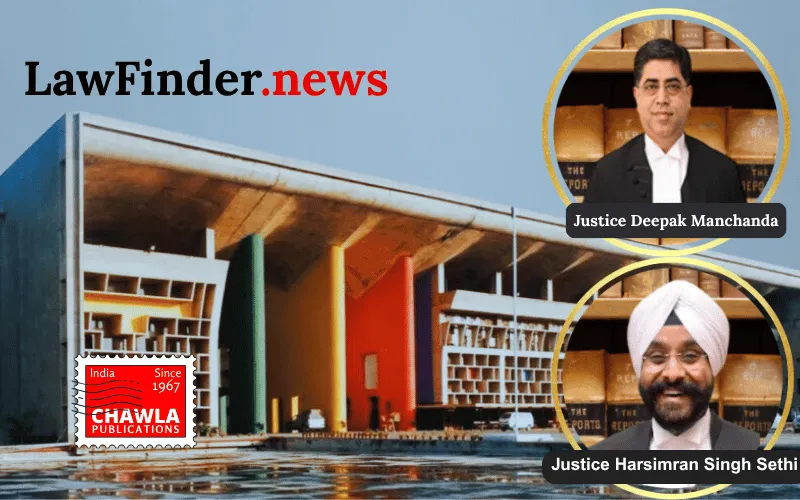
Allowing Khemka's plea, the bench of justices Harsimran Singh Sethi and Deepak Manchanda held that the benefit of parity has to be granted to the petitioner with the other similarly situated officers so that no prejudice is caused to him.
The court stated that the only question which arises for consideration is whether, the benefit of empanelment with the central government in the rank of additional secretary/secretary can be granted to the petitioner despite an eligibility clause that such benefit can only be granted to an IAS officer, who served on deputation with the government in the rank of deputy secretary or above for a minimum of three years.
"Though, the rules prescribed such eligibility qualification but, the grant of the relaxation of such rule can also be exercised by the Union of India while extending the said benefit to an otherwise eligible officer. The said relaxation has already been exercised by the Union of India a number of times to the similarly situated IAS officers," read the court order dated May 29.
Once, similarly situated officers as that of the petitioner were granted relaxation for empanelling them as additional secretary/secretary, the question that why such relaxation was not granted to the petitioner without any valid reason remains uncontroverted, the court observed.
It further said once, the Centre exercises jurisdiction to relax the requirement of having worked on central deputation for a minimum period of three years at the level of deputy secretary and above and such relaxation was even exercised in favour of similarly situated IAS officers, the non-exercise of the same will surely amount to discrimination, unless and until any differentiating fact is brought to the notice of the Court which exist between the petitioner herein and the other officers, who have been granted relaxation while empanelling.
"Since, there is no such differentiating fact which has been brought to the notice of the court between the petitioner and the other IAS officers who were empanelled in the cadre of additional secretary/secretary with the government of India by grant of exemption of having worked in the cadre of deputy secretary or above, same will amount to discrimination between the similarly situated officers so as to violate articles 14 and 16 of the Constitution.
"In such a condition, the benefit of parity has to be granted to the petitioner with the other similarly situated officers herein so that no prejudice is caused to him," it further observed.
The division bench, however, said that as the petitioner has already retired and the empanelment is only for the purpose of bringing an IAS officer on deputation with the government of India, no such benefit can be granted to him as of now but for the future prospects/assignment for which, preference is given to officers, who have been empanelled as additional secretary/secretary with the government of India.
The petitioner will be treated on equal footing to such officers and will be treated as empanelled as additional secretary/secretary for such consideration for the future assignment only, it said.
Chandigarh, Jun 6 The Punjab and Haryana High Court has held that retired IAS officer Ashok Khemka be treated as an empanelled additional secretary for future assignments.
The verdict came on the Haryana-cadre, 1991-batch officer's plea, contending that he was not empanelled as additional secretary or secretary to the government of India on the ground that the requirement of having worked on central deputation for a minimum period of three years at the level of deputy secretary and above, is not fulfilled.
However, several IAS officers, who had 'nil' experience on deputation in the rank of deputy secretary and above with the government of India, were empanelled at the rank of additional secretary by granting them relaxation, he argued.
Khemka had challenged three orders passed by the Central Administrative Tribunal in July 2023, whereby his claim that he should be treated as having been empanelled at the level of additional secretary/secretary to the government of India prior to the date of his retirement, was rejected.
Khemka, known for his uprightness during his nearly 34-year career which saw 57 postings, superannuated on April 30, 2025.
He came to national limelight in 2012 when he cancelled the mutation of a Gurugram land deal linked to Congress leader Sonia Gandhi's son-in-law Robert Vadra. A mutation is part of the process to transfer ownership of a piece of land.
Allowing Khemka's plea, the bench of justices Harsimran Singh Sethi and Deepak Manchanda held that the benefit of parity has to be granted to the petitioner with the other similarly situated officers so that no prejudice is caused to him.
The court stated that the only question which arises for consideration is whether, the benefit of empanelment with the central government in the rank of additional secretary/secretary can be granted to the petitioner despite an eligibility clause that such benefit can only be granted to an IAS officer, who served on deputation with the government in the rank of deputy secretary or above for a minimum of three years.
"Though, the rules prescribed such eligibility qualification but, the grant of the relaxation of such rule can also be exercised by the Union of India while extending the said benefit to an otherwise eligible officer. The said relaxation has already been exercised by the Union of India a number of times to the similarly situated IAS officers," read the court order dated May 29.
Once, similarly situated officers as that of the petitioner were granted relaxation for empanelling them as additional secretary/secretary, the question that why such relaxation was not granted to the petitioner without any valid reason remains uncontroverted, the court observed.
It further said once, the Centre exercises jurisdiction to relax the requirement of having worked on central deputation for a minimum period of three years at the level of deputy secretary and above and such relaxation was even exercised in favour of similarly situated IAS officers, the non-exercise of the same will surely amount to discrimination, unless and until any differentiating fact is brought to the notice of the Court which exist between the petitioner herein and the other officers, who have been granted relaxation while empanelling.
"Since, there is no such differentiating fact which has been brought to the notice of the court between the petitioner and the other IAS officers who were empanelled in the cadre of additional secretary/secretary with the government of India by grant of exemption of having worked in the cadre of deputy secretary or above, same will amount to discrimination between the similarly situated officers so as to violate articles 14 and 16 of the Constitution.
"In such a condition, the benefit of parity has to be granted to the petitioner with the other similarly situated officers herein so that no prejudice is caused to him," it further observed.
The division bench, however, said that as the petitioner has already retired and the empanelment is only for the purpose of bringing an IAS officer on deputation with the government of India, no such benefit can be granted to him as of now but for the future prospects/assignment for which, preference is given to officers, who have been empanelled as additional secretary/secretary with the government of India.
The petitioner will be treated on equal footing to such officers and will be treated as empanelled as additional secretary/secretary for such consideration for the future assignment only, it said.