Supreme Court Upholds NEET Standards, Mandates Pro Bono Service for Irregular BDS Graduates Rajasthan's unauthorized relaxation of NEET percentile leads to stringent penalties for dental colleges; students' admissions regularized under Article 142.
In a landmark judgment, the Supreme Court of India has addressed the contentious issue of irregular admissions to Bachelor of Dental Surgery (BDS) courses in Rajasthan following unauthorized relaxation of the NEET qualifying percentile by the State Government. The apex court ruled that the power to lower the NEET percentile is vested solely with the Central Government in consultation with the Dental Council of India (DCI), thereby nullifying the State Government's actions.
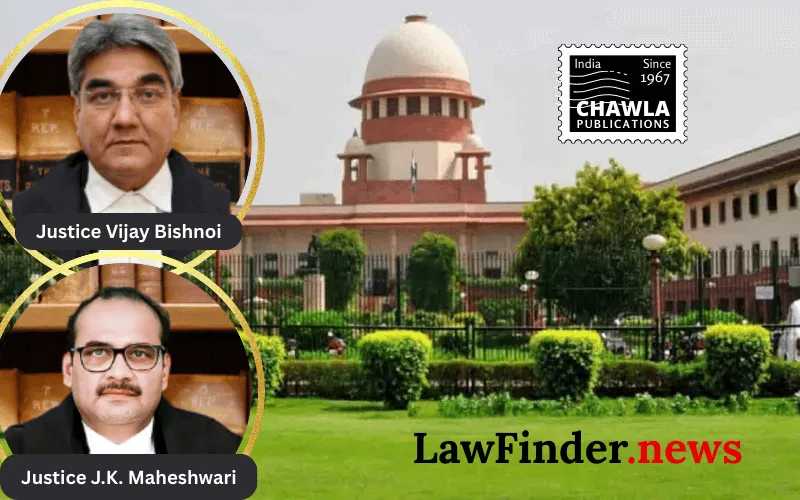
The judgment, delivered by Justices J.K. Maheshwari and Vijay Bishnoi, tackled the legal quagmire resulting from admissions conducted under reduced NEET percentile standards. Private dental colleges in Rajasthan admitted students with percentile scores below the authorized relaxation, including those with zero or negative marks, leading to a breach of standardized national medical education norms.
In a bid to do complete justice, the Supreme Court invoked Article 142 to regularize the admissions of students who have completed their BDS courses and received degrees. However, these students are now mandated to provide two years of pro bono service during their lifetime in exceptional circumstances to the State of Rajasthan, ensuring their contribution to public welfare.
The judgment also imposed significant financial penalties on the involved private colleges, directing them to deposit Rs. 10 crores each with the Rajasthan State Legal Services Authority. The State of Rajasthan was ordered to contribute Rs. 10 lacs for welfare purposes. The interest accrued from these deposits is earmarked for the maintenance and development of social welfare institutions, under the guidance of a committee of judges from the Rajasthan High Court.
This decision underscores the importance of adhering to central regulations in maintaining the integrity and standards of medical education in India. It sends a strong message against administrative overreach and emphasizes the national interest in preserving merit-based admissions to professional courses.
Bottom Line:
Medical Education - NEET percentile relaxation for BDS admissions - State Government cannot reduce minimum qualifying percentile for NEET without authority under Central Government regulations.
Statutory provision(s): Article 142 of the Constitution of India, Proviso to Regulation II(5)(ii) of Revised BDS Course Regulations, 2007
Siddhant Mahajan v. State of Rajasthan, (SC) : Law Finder Doc Id # 2823574