Results Subject to Final Court Verdict in Areas Exceeding 50% Reservation Cap
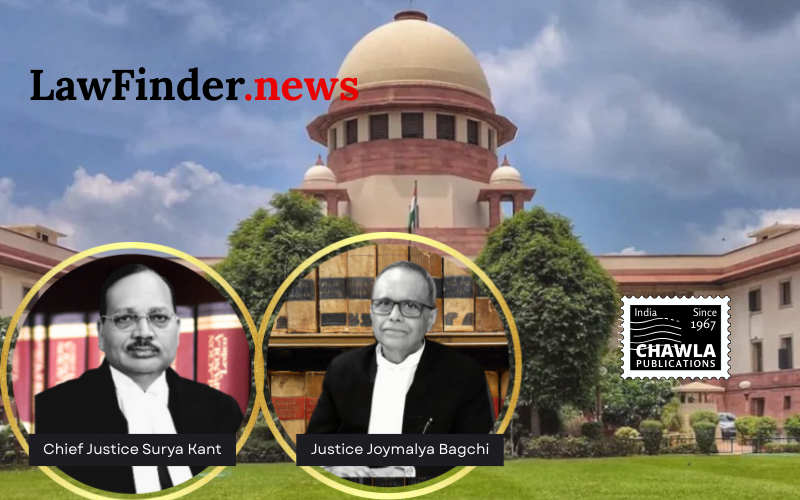
The Supreme Court of India, in a landmark decision dated November 28, 2025, has permitted the local body elections in Maharashtra to proceed as scheduled, despite ongoing concerns regarding reservations exceeding the 50% cap in certain Municipal Councils and Nagar Panchayats. The judgment was delivered by a bench comprising Chief Justice Surya Kant and Justice Joymalya Bagchi, addressing the complexities surrounding reservation policies in local governance.
The court's order highlights that elections will continue for the 246 Municipal Councils and 42 Nagar Panchayats, with voting slated for December 2, 2025. However, it has been clarified that the results from 40 Municipal Councils and 17 Nagar Panchayats, where reservations surpass the 50% threshold, will remain provisional and contingent upon the Supreme Court's final ruling.
The legal proceedings stem from petitions challenging the reservation policy's constitutionality within the local bodies, with advocates representing various stakeholders including the State Election Commission of Maharashtra. The Election Commission, represented by Senior Counsel Mr. Balbir Singh, submitted a detailed note outlining the election dynamics and the extent of reservations.
The judgment also addresses future elections for Municipal Corporations, Zila Parishads, and Panchayat Samitis. Specifically, it notes that while only two of the 29 Municipal Corporations exceed the reservation limit, elections for these bodies should be expedited, with results similarly subject to judicial review. For the remaining 32 Zila Parishads and 336 Panchayat Samitis, elections are directed to proceed where reservations do not breach the 50% mark, in line with previous Supreme Court orders.
This decision underscores the Supreme Court's commitment to ensuring electoral processes continue while balancing constitutional mandates regarding reservations. The court has scheduled further hearings on January 21, 2026, to delve deeper into the legal questions involved, with the assistance of nodal counsel Mr. Amol B. Karande and Mr. Siddharth Dharmadhikari tasked with completing pleadings by January 9, 2026.
The ruling marks a significant moment in the discourse on reservation policies within local governance structures, reflecting the judicial system's role in navigating complex socio-political issues. Stakeholders across Maharashtra await the Supreme Court's final verdict, which will ultimately determine the validity of election outcomes in regions exceeding the reservation cap.
Bottom Line:
Local body elections in Maharashtra - Reservation exceeding 50% in certain Municipal Councils and Nagar Panchayats - Elections to proceed as scheduled, but results in areas exceeding the reservation limit to be subject to the final outcome of proceedings.
Statutory provision(s): Constitution of India, 1950.
Rahul Ramesh Wagh v. State of Maharashtra, (SC) : Law Finder Doc Id # 2814175