Umang Rastogi Directed to Seek Remedy in Appropriate Court as Supreme Court Dismisses Petition
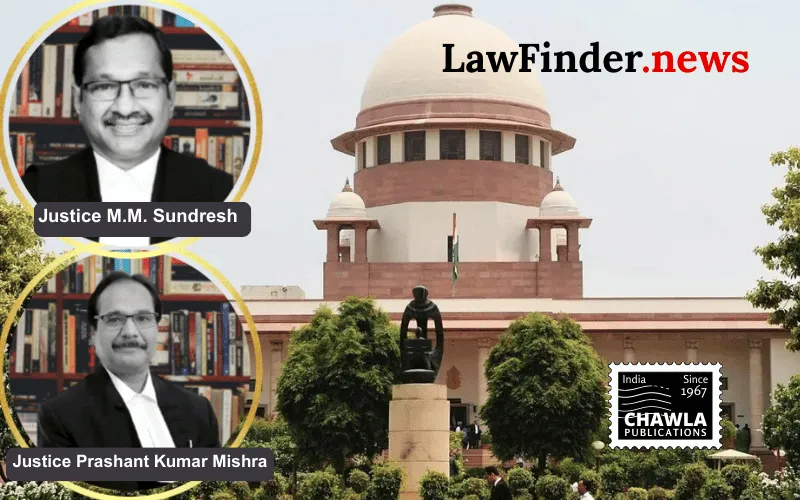
In a significant decision, the Supreme Court of India has declined to entertain a writ petition filed under Article 32 of the Constitution by the petitioner, Umang Rastogi. The bench, comprising Justices M.M. Sundresh and Prashant Kumar Mishra, issued the order on December 31, 2025, directing the petitioner to seek appropriate remedies through other judicial avenues.
The case, titled "Umang Rastogi v. State of U.P, (SC)," involved the petitioner seeking redressal directly from the apex court. Represented by advocates Mr. Anand Kumar and Mr. Aditya Giri, the petitioner approached the Supreme Court under its writ jurisdiction. However, the court emphasized the need for the petitioner to utilize other judicial mechanisms available.
The court's order highlighted that while the Supreme Court possesses the authority to entertain writ petitions under Article 32, it is not always the appropriate forum for such grievances unless all other remedies have been exhausted. The bench stated, "We are not inclined to entertain this writ petition under Article 32 of the Constitution of India."
The Supreme Court granted liberty to the petitioner to approach a more suitable court for the relief sought, dismissing the writ petition with this provision. This decision underscores the judiciary's stance on the hierarchy of courts and the procedural protocol that petitioners must adhere to.
This ruling serves as a reminder of the structured legal pathways available in India’s judicial system and the importance of exhausting these avenues before approaching the apex court. The decision also emphasizes the role of the Supreme Court in maintaining judicial discipline by encouraging litigants to seek remedies through the appropriate legal channels.
Pending applications related to the case have also been disposed of by the court.
Bottom Line:
Supreme Court declined to entertain the writ petition under Article 32 of the Constitution of India, granting liberty to the petitioner to approach the appropriate court for the remedy sought.
Statutory provision(s): Article 32 of the Constitution of India
Umang Rastogi v. State of U.P, (SC) : Law Finder Doc Id # 2831149