No Grounds Found to Entertain Petition under Rupa Ashok Hurra Parameters
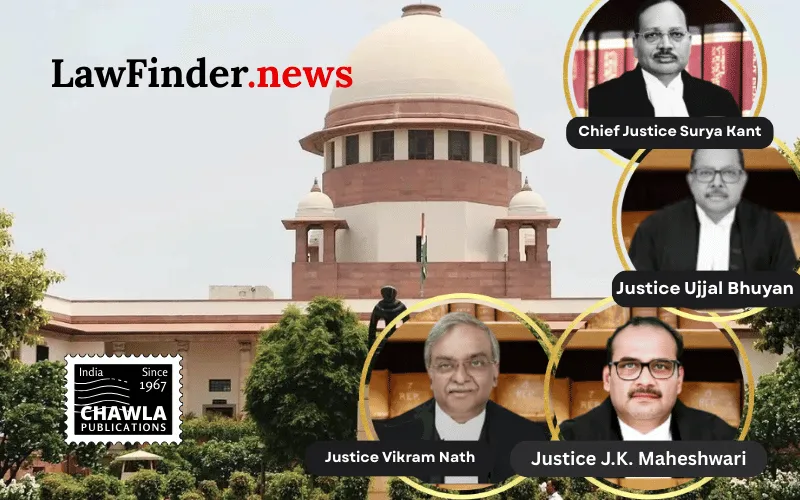
The Supreme Court of India, in a significant ruling, has dismissed a curative petition filed by M/s. Patanjali Yogpeeth Trust against the Commissioner of Central Excise, Meerut-I. The petition was reviewed by a Constitution Bench consisting of Chief Justice Surya Kant and Justices Vikram Nath, J.K. Maheshwari, and Ujjal Bhuyan, which found no merit in entertaining the petition.
The dismissal was based on the parameters established in the landmark case of Rupa Ashok Hurra v. Ashok Hurra, (2002) 4 SCC 388, which governs the criteria for admitting curative petitions. The Supreme Court reiterated that the petitioner failed to meet these stringent criteria. The bench, after thorough examination of the curative petition and relevant documents, concluded that the case did not warrant reconsideration under these exceptional circumstances.
Curative petitions serve as the last judicial resort in the Indian legal system, meant to rectify gross miscarriages of justice in the rarest of rare cases. The Supreme Court's decision underscores the high threshold required for such petitions to be entertained.
The court further stated that any pending interlocutory applications related to this case stand disposed of following the dismissal of the curative petition. This verdict is a significant affirmation of the court's commitment to maintaining judicial discipline and ensuring that curative petitions are not misused to prolong litigation.
Bottom Line:
Curative Petition - Dismissal of curative petition - No case to entertain the curative petition was made out within the parameters indicated by the Supreme Court in Rupa Ashok Hurra v. Ashok Hurra, (2002) 4 SCC 388.
Statutory provision(s): Curative Petition.