Bail granted on grounds of personal liberty under Article 21, with court noting political motivations in allegations.
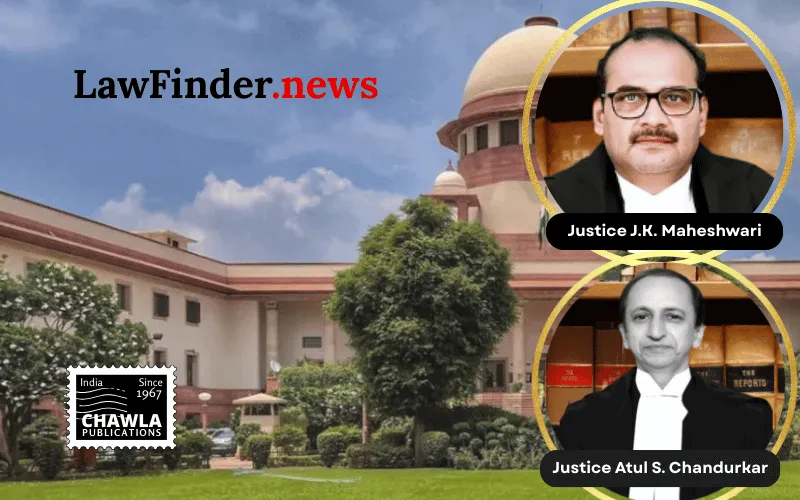
The Supreme Court of India, in a landmark judgment delivered on April 30, 2026, granted anticipatory bail to Pawan Khera, an appellant accused of displaying fabricated documents in a politically charged press conference. The case, which has garnered significant media attention due to its political implications, was presided over by Justices J.K. Maheshwari and Atul S. Chandurkar.
Pawan Khera, a prominent member of a national political party, was accused of using forged documents during press conferences to defame the complainant, alleged to be the wife of the Chief Minister of Assam, during the election period. The Supreme Court's decision overturned the Gauhati High Court's earlier refusal to grant anticipatory bail, emphasizing the fundamental right to personal liberty under Article 21 of the Constitution of India.
The court observed that the allegations against Khera appeared to be politically motivated rather than necessitating custodial interrogation. In their judgment, the Justices highlighted the need to balance the individual's fundamental rights with the State's interest in ensuring a fair investigation.
The court reiterated principles from the landmark Gurbaksh Singh Sibbia case, emphasizing that anticipatory bail should be granted if accusations appear to be driven by ulterior motives rather than genuine investigative needs. Given the political backdrop and the absence of necessity for custodial interrogation, the court found in favor of granting anticipatory bail.
The order mandates several conditions for Khera's bail, including cooperation with the investigation, prohibition on influencing evidence, and restrictions on leaving India without court permission. The Supreme Court clarified that its observations were solely for the purpose of bail consideration and should not influence the merits of the ongoing criminal case.
This judgment underscores the judiciary's commitment to upholding personal liberties while ensuring that political rivalries do not cloud judicial processes.
Statutory provision(s): Bharatiya Nyaya Sanhita, 2023 Sections 337, 338, 339, 353, Constitution of India, 1950 Article 21, Criminal Procedure Code, 1973 Section 438
Pawan Khera v. State of Assam, (SC) : Law Finder Doc id # 2891446