High Courts Directed to Improve Public Disclosure of Judgment Status and Compliance Expected Within Weeks
In a significant move aimed at enhancing judicial transparency and accountability, the Supreme Court of India, on November 12, 2025, directed the Registrar Generals of all High Courts to submit comprehensive reports detailing the status of judgments reserved and awaiting pronouncement. The directive arises from a writ petition filed by convicts awaiting judgment on their criminal appeals for an extended period.
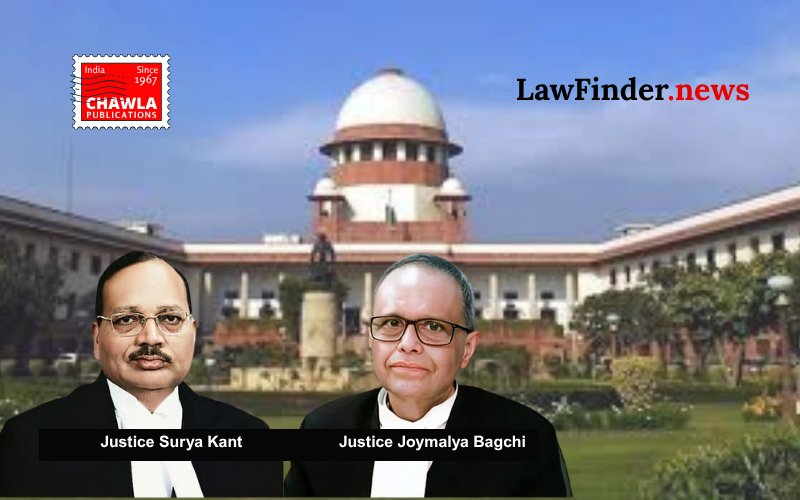
The bench, comprising Justices Surya Kant and Joymalya Bagchi, highlighted the need for a systematic approach to updating the public on the progress and status of reserved judgments. The order requires the High Courts to disclose mechanisms for public domain disclosure, including the date when a judgment is reserved, the date of pronouncement, and the date it is uploaded online.
This judicial directive follows the Supreme Court's initial request for status reports from the High Courts on judgments reserved as of January 31, 2025, and still pending as of May 5, 2025. While several High Courts, including Karnataka, Bombay, and others, complied, the Allahabad, Jammu & Kashmir and Ladakh, Patna, and Telangana High Courts failed to submit their reports or request an extension. The Supreme Court has now mandated these High Courts to comply within two weeks, warning of a court appearance for non-compliance.
The Supreme Court's order also seeks suggestions from the High Courts on improving and standardizing the disclosure patterns to the public. This initiative is designed to ensure that the general public is informed about the status of judicial decisions, thereby promoting transparency and trust in the judicial process.
The High Courts have been given four weeks to comply with the directives, after which the matter will be reviewed for further consideration on January 28, 2026. The Supreme Court's decision underscores its commitment to improving judicial administration and ensuring timely delivery of justice.
Statutory provision(s): None specified in the judgment.
Pila Pahan @ Peela Pahan v. State of Jharkhand, (SC) : Law Finder Doc Id # 2808402