Division of Opinion Among Judges in Criminal Appeals Sparks Call for Reconsideration
In a significant development, the Supreme Court of India has referred the question regarding the interpretation of Section 392 of the Code of Criminal Procedure, 1973, to a larger bench. This move comes in response to appeals filed by Dr. Rakesh Kumar Gupta and the State of Uttar Pradesh challenging a High Court decision that acquitted the Rastogi brothers of murder charges.
The appeals stem from a 2018 judgment by the High Court of Judicature at Allahabad, which overturned the conviction of the Rastogi brothers under Section 302 read with Section 149 of the Indian Penal Code. The acquittal was facilitated by a third judge who reversed the unanimous conviction upheld by a Division Bench, leading to questions about the scope of the third judge's powers under Section 392.
Section 392 addresses situations where judges on a court of appeal are divided in opinion, necessitating the involvement of a third judge. The Supreme Court highlighted anomalies in previous judgments, notably the Sajjan Singh case, which supports a broad interpretation allowing the third judge to examine the entire appeal independently.
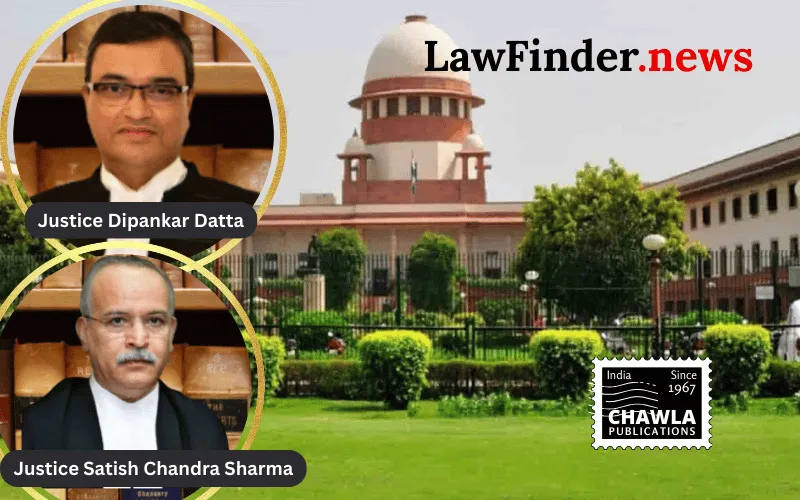
Justice Dipankar Datta and Justice Satish Chandra Sharma, presiding over the current case, underscored the need for clarity in interpreting "an appeal" and "the appeal" within Section 392 to prevent discriminatory application. They noted the potential for irrational outcomes, such as reversing unanimous conclusions of a Division Bench, as significant concerns.
The Supreme Court's decision to seek a review by a larger bench aims to ensure judicial discipline and propriety in the application of Section 392. The outcome of this review could reshape the procedural landscape for criminal appeals in India, impacting how differences of opinion among judges are resolved.
Legal experts anticipate that the larger bench will address whether the third judge should be confined to points of disagreement between Division Bench judges or empowered to independently reassess the entire case.
The case highlights the complexities involved in criminal appellate procedures and the critical role of judicial interpretation in maintaining the integrity and fairness of the legal system.
Statutory provision(s): Section 392 of the Code of Criminal Procedure, 1973
Dr. Rakesh Kumar Gupta v. State of Uttar Pradesh, (SC) : Law Finder Doc id # 2920242