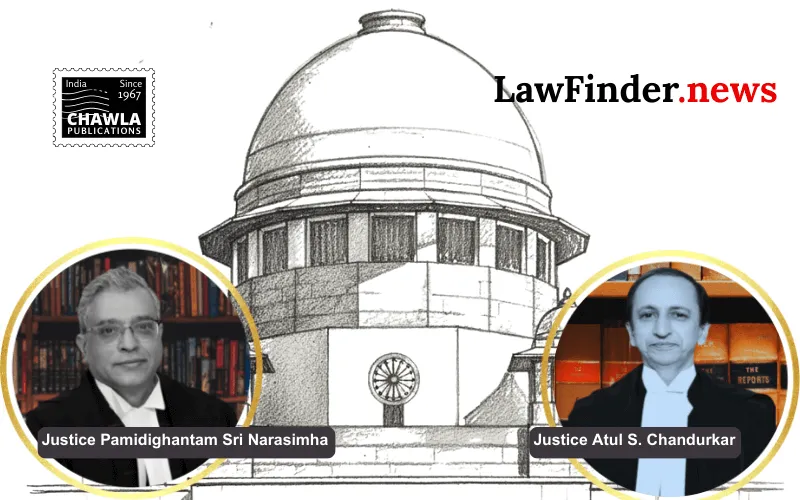
Landmark verdict affirms Sections 499 and 500 of IPC and Section 199 of CrPC as reasonable restrictions on freedom of speech under Article 19(2), balancing individual reputation with democratic expression rights.
In a landmark judgment delivered on May 13, 2016, the Supreme Court of India upheld the constitutional validity of Sections 499 and 500 of the Indian Penal Code (IPC) which criminalize defamation, along with Section 199 of the Code of Criminal Procedure (CrPC) governing prosecution procedures. The decision resolves a long-standing debate regarding the tension between the fundamental right to freedom of speech and expression guaranteed by Article 19(1)(a) of the Constitution and the protection of individual reputation, also recognized as a facet of the right to life under Article 21.
The batch of writ petitions, including the prominent case of Subramanian Swamy v. Union of India, Ministry of Law, challenged the criminal defamation provisions arguing that they unduly restrict free speech, create a chilling effect on dissent, and are relics of colonial-era laws inappropriate for a vibrant democracy. Petitioners contended that defamation is a civil wrong and criminalizing it violates Article 19(1)(a), asserting that individual grievances should be addressed only by civil remedies. They also questioned the procedural safeguards under Section 199 CrPC, particularly the special provisions for public servants.
The Union of India and supporting parties argued that reputation is an integral part of dignity and personality protected under Article 21 and that defamation laws serve a legitimate public interest by safeguarding social harmony and individual dignity. They emphasized that the freedom of speech is not absolute and reasonable restrictions under Article 19(2) include defamation. The Court heard elaborate arguments from senior advocates, the Attorney General, and Amicus Curiae, extensively analyzing legal principles, constitutional history, international covenants, and judicial precedents.
Key Findings of the Supreme Court include:
1. Definition and Importance of Defamation and Reputation:
The Court examined comprehensive definitions of defamation from Indian and foreign jurisprudence, highlighting that defamation involves imputation made with intent or knowledge to harm reputation. Reputation was recognized as a fundamental human right linked to dignity and protected under Article 21. The Court observed that reputation harms not only the individual but affects society as a whole, thereby justifying state intervention.
2. Scope of Freedom of Speech and Its Reasonable Restrictions:
The Court reaffirmed that freedom of speech under Article 19(1)(a) is vital for democracy but is subject to reasonable restrictions enumerated in Article 19(2), including defamation. It rejected arguments seeking to limit "defamation" in Article 19(2) to civil defamation alone or to restrict criminal defamation to cases inciting public disorder. The Court emphasized that constitutional freedom must be balanced with other fundamental rights, especially the right to dignity and reputation.
3. Constitutionality of Sections 499 and 500 IPC and Section 199 CrPC:
The Court upheld the provisions as valid restrictions on free speech, stating that the criminal defamation laws are neither vague nor arbitrary. It emphasized the mens rea requirement — that the accused must intend or know that the imputation would harm reputation — and the various exceptions protecting truthful statements made for public good, fair comment in good faith, and conduct concerning public servants or public questions. The procedural safeguards under Section 199 CrPC were also held constitutionally permissible, including special provisions for complaints by or against public servants.
4. Balancing Competing Rights:
The Court acknowledged the necessity of balancing the right to free speech with the right to protect reputation, rejecting the notion that one right must always prevail over the other. It observed that individual dignity and reputation are part of the social fabric and essential for fraternity as enshrined in the Preamble and fundamental duties under Article 51A. The judgment emphasized mutual respect and the duty to promote harmony while preserving constitutional freedoms.
5. Procedural Safeguards and Judicial Oversight:
The Court underscored the responsibility of magistrates to exercise judicial prudence when issuing summons in defamation cases to prevent misuse and harassment. It also clarified the territorial jurisdiction for defamation trials under CrPC and provided guidance on the identity of "person aggrieved" who may file complaints.
6. International Perspectives and Comparative Jurisprudence:
The judgment referred to international human rights covenants recognizing both freedom of expression and the right to reputation. It also surveyed foreign jurisprudence from the UK, US, Canada, South Africa, and the European Court of Human Rights, affirming that protection of reputation is a legitimate and recognized limitation on free speech.
Conclusion:
The Supreme Court dismissed the petitions seeking to strike down criminal defamation laws, holding that Sections 499 and 500 IPC and Section 199 CrPC are constitutionally valid and represent reasonable restrictions on the right to freedom of speech and expression. The Court clarified that freedom of speech does not include the right to defame others and that protection of reputation is a fundamental right deserving equal respect. The judgment reinforces the principle that in a democracy, competing fundamental rights must be balanced to protect both individual dignity and societal harmony.
The Court granted eight weeks for petitioners to challenge summons before appropriate High Courts, after which proceedings would continue. The interim stay on proceedings granted by the Court during the hearing would lapse after eight weeks.
This judgment is a significant affirmation of the constitutional framework balancing free speech with protection against defamation, underscoring the continued relevance of criminal defamation laws in India.
Statutory provisions
Indian Penal Code Sections 499, 500; Code of Criminal Procedure Section 199
Subramanian Swamy v. Union of India, Ministry of Law (SC) : Law Finder Doc Id # 765627