In a landmark decision, the Supreme Court affirms that creditors can initiate concurrent insolvency proceedings against both principal debtors and their guarantors under the Insolvency and Bankruptcy Code, 2016.
In a significant ruling, the Supreme Court of India has upheld the legality of initiating simultaneous insolvency proceedings against both the principal debtor and the corporate guarantor under the Insolvency and Bankruptcy Code, 2016 (IBC). This decision came in response to multiple appeals challenging previous rulings by the National Company Law Tribunal (NCLT) and the National Company Law Appellate Tribunal (NCLAT) that had either rejected or permitted such proceedings.
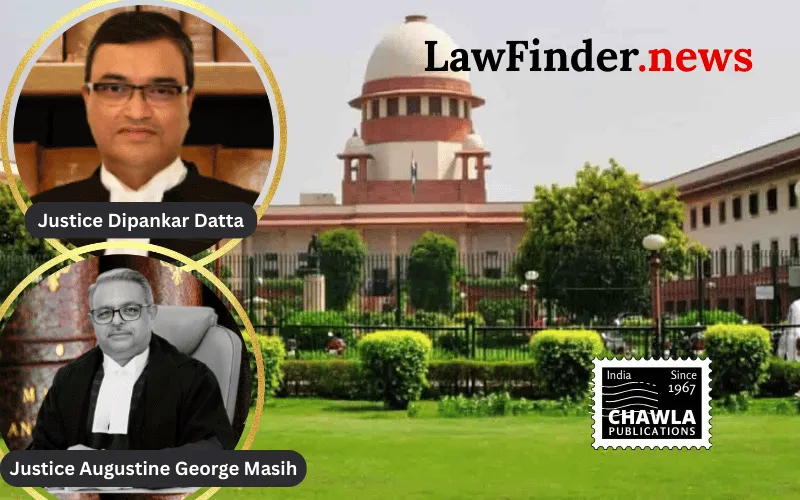
The bench, comprising Justice Dipankar Datta and Justice Augustine George Masih, addressed the central question of whether creditors could pursue insolvency resolution processes against both the principal debtor and the guarantor concurrently. The Supreme Court's judgment underscores that the liability of the guarantor is co-extensive with that of the principal debtor, and as such, the IBC permits separate or simultaneous proceedings against both entities.
The court analyzed the provisions of the IBC, particularly Section 60(2), which allows the adjudicating authority to handle insolvency applications against both the principal debtor and the guarantor concurrently. The judgment also referenced Section 128 of the Indian Contract Act, 1872, highlighting that the liability of the guarantor is as extensive as that of the principal debtor.
This ruling effectively overrules the earlier stance taken in the case of Vishnu Kumar Agarwal v. M/s. Piramal Enterprises Ltd., where the NCLAT had held that once an insolvency application was admitted against one entity, a similar application could not be entertained against another based on the same debt. The Supreme Court clarified that such restrictions would undermine the rights of creditors to recover their dues under the contract of guarantee.
Moreover, the court addressed concerns regarding the potential for creditors to gain double recovery and emphasized existing regulations that prevent unjust enrichment. The court noted that creditors are obligated to update their claims if they receive partial or full satisfaction from any source, thus safeguarding against any recovery exceeding the actual debt.
The judgment also highlighted the discretionary power of the NCLT at the admission stage of insolvency applications, allowing it to consider the financial health and viability of the corporate debtor before admitting the application.
This decision is expected to have far-reaching implications for the insolvency landscape in India, reinforcing the rights of creditors and ensuring that the insolvency process under the IBC remains robust and effective.
Bottom Line:
Simultaneous proceedings against principal debtor and corporate guarantor permissible under Section 60(2) - Liability of principal debtor and guarantor is co-extensive - Doctrine of election not applicable, and creditor can initiate proceedings against both without restriction.
Statutory provision(s):
Insolvency and Bankruptcy Code, 2016 Sections 7, 60(2), 128 of Indian Contract Act, 1872, Regulation 12A, Regulation 14
ICICI Bank Limited v. ERA Infrastructure (India) Limited, (SC) : Law Finder Doc id # 2859257