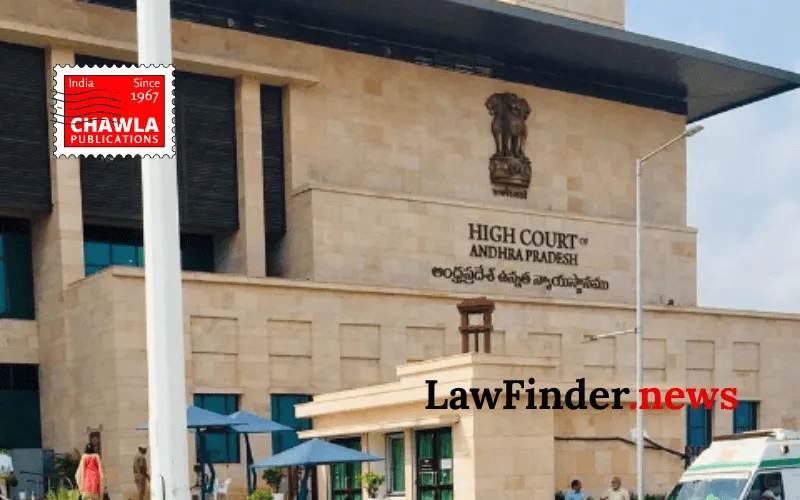
Court Directs Expeditious Resolution of Interim Injunction Plea in Copyright Infringement Case
In a pivotal judgment, the Telangana High Court, comprising the bench of Justices Moushumi Bhattacharya and Gadi Praveen Kumar, has underscored the urgency required in addressing intellectual property rights disputes. The court was hearing the Civil Revision Petition No.259 of 2026 filed by Data Evolve Solutions Private Limited against the Digi Yatra Foundation and 25 others, concerning the alleged unauthorized use of copyrighted work.
The petitioner had sought an ex parte ad interim injunction under Order XXXIX Rules 1 and 2 of the Civil Procedure Code, 1908, to restrain the respondents from using its copyrighted material without authorization. This work forms the basis of products and applications deployed by the respondents at various airports across the country.
Despite the Commercial Court's refusal to grant the injunction, citing procedural reasons, the High Court directed the lower court to resolve the interim application within four weeks from February 4, 2026. The decision came after observing that the Commercial Court had granted multiple adjournments for the filing of counters by the respondents, which the High Court deemed excessive given the nature of the dispute.
Justice Bhattacharya emphasized the need for distinguishing between ordinary civil suits and those involving intellectual property rights violations. Each act of infringement constitutes a fresh cause of action, thus necessitating prompt judicial intervention.
The judgment highlights the importance of expeditious handling of intellectual property cases, recognizing the urgency often inherent in such matters. The High Court's directive aims to prevent undue delays in resolving disputes that could potentially hinder technological innovation and development.
While the petition was disposed of without any cost orders, the High Court's decision serves as a reminder of the judiciary's role in safeguarding intellectual property rights and ensuring timely justice in commercial disputes.
Bottom Line:
Intellectual Property Rights - In cases involving the infringement of Intellectual Property Rights, each act of infringement is considered a fresh cause of action - Commercial Courts must expeditiously address the urgency in such matters.
Statutory provision(s): Order XXXIX Rules 1 and 2 of the Civil Procedure Code, 1908.