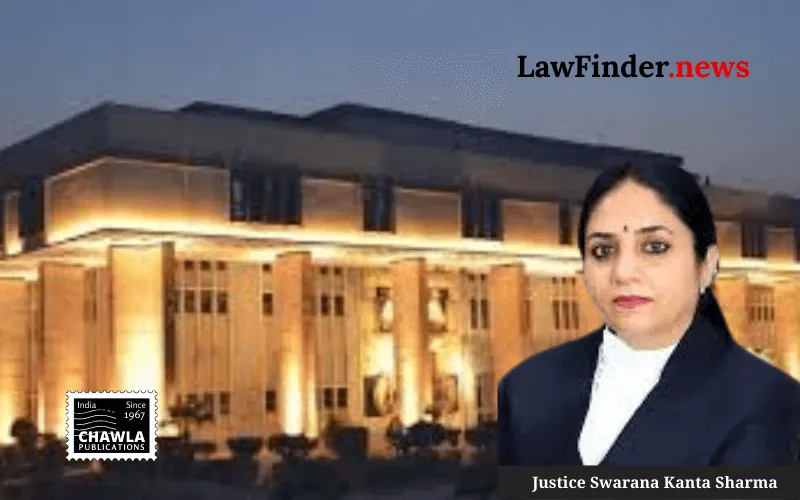
New Delhi, Apr 13 Former chief minister Arvind Kejriwal on Monday told Delhi High Court judge Swarana Kanta Sharma that her earlier decisions in the liquor policy cases "almost declared" him guilty and corrupt, and that he apprehends he would not get justice if she continues to hear CBI's plea against his discharge.
Appearing before Justice Sharma to argue his application seeking her to withdraw from the case, the Aam Aadmi Party (AAP) convenor contended that under the law on recusal, the question is not of a judge's integrity or uprightness, but of "reasonable bias" in the mind of the litigant.
Kejriwal claimed that except for the CBI's petition and one other case involving a political opponent of the BJP, no other case before Justice Sharma was being heard at the same "speed" and there was a "trend" of the court "endorsing" the investigating agencies' arguments.
He submitted that on the first day of the hearing on March 9, the court "neutralised" the discharge order, which was passed by the trial judge after day-to-day arguments of over three months, by passing a "sweeping, ex parte order" in haste in violation of principles of natural justice.
On February 27, the trial court discharged Kejriwal, Sisodia and 21 others and pulled up the CBI, saying its case was wholly unable to survive judicial scrutiny and stood discredited in its entirety.
On March 9, Justice Sharma issued notice to all 23 accused on CBI's plea against their discharge, saying certain observations and findings of the trial court at the stage of framing of charges prima facie appeared erroneous and needed consideration.
She also stayed the trial court's recommendation on the initiation of departmental action against the CBI's investigating officer in the liquor policy case.
"I was shocked and I had some apprehension about whether the court is biased and will I get justice. What was the urgency for this? What was the need for this?" Kejriwal said during the hearing.
He objected to the stay on departmental action against the CBI official as well as the deferment of proceedings on the ED case.
"This was a CBI petition. The ED has nothing to do with it. The ED is not even a party. There was no written prayer. Solicitor General Tushar Mehta only made an oral demand," he said.
Kejriwal said that Justice Sharma had earlier denied relief to him on his petition challenging his arrest, as well as bail pleas by other accused, including Manish Sisodia and K Kavitha, and also made "strong and conclusive" findings.
"I was almost declared guilty. I was almost declared corrupt. Kewal saza sunani baaki reh gayi thi (Only sentence was left to be pronounced)," he said.
"The court almost said (in Manish Sisodia's bail order that) all these guys are corrupt. They are 'maha corrupt'. Only three hearings and a conclusion was drawn that Manish was a very corrupt man," Kejriwal stated.
He emphasised that in the discharge order, the trial court has given findings that are in "stark contrast" to what the high court has earlier ruled on several critical issues, including admissibility of approver statements, and questioned if Justice Sharma would be able to change her view.
He also objected to Justice Sharma attending four functions organised by the Akhil Bharatiya Adhivakta Parishad. He contended that being an ideological opponent of the BJP and RSS, he apprehended that the judge "sympathised" with their ideology and that he would not receive justice.
As Justice Sharma asked Kejriwal if she had made any ideological or political statements in the events, the AAP chief said her attendance was enough.
Kejriwal also highlighted that Home Minister Amit Shah has said in programme that the AAP chief would have to approach the Supreme Court against the high court's decision.
"What control do I have over what he says?" the judge said.
Kejriwal also alleged that Justice Sharma has a conflict of interest in the case.
He concluded arguments on his recusal application.
New Delhi, Apr 13 Former chief minister Arvind Kejriwal on Monday told Delhi High Court judge Swarana Kanta Sharma that her earlier decisions in the liquor policy cases "almost declared" him guilty and corrupt, and that he apprehends he would not get justice if she continues to hear CBI's plea against his discharge.
Appearing before Justice Sharma to argue his application seeking her withdrawal from the case, the Aam Aadmi Party (AAP) convenor contended that under the law on recusal, the question is not of a judge's integrity or uprightness, but of "reasonable bias" in the mind of the litigant.
Justice Sharma reserved her verdict after hearing the AAP chief, the counsel for others discharged in the liquor policy case, and Solicitor General Tushar Mehta appearing for the CBI, till 7 pm on Monday.
Mehta said the applications for recusal should be dismissed with costs, and a contempt action should be initiated against the applicants.
These are apprehensions of an "immature mind", he said, cautioning that recusal in the case would set a bad precedent.
Kejriwal claimed that, except for the CBI's petition and another case involving a political opponent of the BJP, no other case before Justice Sharma was being heard at the same "speed", and there was a "trend" of the court "endorsing" the investigating agencies' arguments.
He submitted that on the first day of the hearing on March 9, the high court "neutralised" the discharge order -- passed by the trial court judge following daily hearings for over three months -- by passing a "sweeping, ex parte order" in haste, in violation of principles of natural justice.
A discharge order, which was passed after assessing 40,000 pages of evidence, was declared prima facie erroneous by the high court after a five-minute hearing, Kejriwal said.
On February 27, the trial court discharged Kejriwal, Sisodia and 21 others and pulled up the CBI, saying that its case was wholly unable to survive judicial scrutiny and stood discredited in its entirety.
On March 9, Justice Sharma issued notices to all 23 accused on the CBI's plea against their discharge, saying certain observations and findings of the trial court at the stage of framing of charges prima facie appeared erroneous and needed consideration.
She also stayed the trial court's recommendation on the initiation of departmental action against the CBI's investigating officer in the liquor policy case.
"I was shocked. I had some apprehension about whether the court was biased and whether I would get justice. What was the urgency for this? What was the need for this?" Kejriwal asked during the hearing.
He objected to the stay on departmental action against the CBI official as well as the deferment of proceedings on the Enforcement Directorate's (ED) case.
"This was a CBI petition. The ED has nothing to do with it. The ED is not even a party. There was no written prayer. Solicitor General Tushar Mehta only made an oral demand," he said.
Kejriwal said Justice Sharma had earlier denied him relief on his petition challenging his arrest, refused to grant relief on bail pleas of other accused, including Manish Sisodia and K Kavitha, and also made "strong and conclusive" findings.
"I was almost declared guilty. I was almost declared corrupt. Kewal saza sunani baaki reh gayi thi (Only the sentence was left to be pronounced)," he said.
"The court almost said (in Manish Sisodia's bail order) that all these guys are corrupt, that they are 'maha corrupt'. Only three hearings, and a conclusion was drawn that Manish was a very corrupt man," Kejriwal stated.
He emphasised that in the discharge order, the trial court has given findings that are in "stark contrast" to the high court's ruling on several critical issues, including the admissibility of approver statements and the absence of any recovery from the accused persons. He questioned whether Justice Sharma would be able to change her view.
Kejriwal said the CBI filed a "general" revision petition within hours of the discharge order, which should have been rejected on the first day.
The AAP chief also objected to Justice Sharma attending four functions organised by the Akhil Bharatiya Adhivakta Parishad. He said he apprehended that the judge "sympathised" with the ideology of the BJP and RSS, and that he would not receive justice.
As Justice Sharma asked Kejriwal if she had made any ideological or political statements in the events, the AAP chief said her attendance was enough.
Kejriwal also highlighted Home Minister Amit Shah's comment at a programme that the AAP chief would have to approach the Supreme Court against the high court's decision.
To this, the judge asked, "What control do I have over what he says?"
Kejriwal also argued that Justice Sharma has a conflict of interest in the case, and the issue of recusal was between him and the judge, with CBI having no locus.
He pointed out that the high court had earlier upheld the transfer of AAP leader Satyender Jain's bail plea in a money laundering case from one trial judge to another, following ED's request citing apprehension of bias.
Besides Kejriwal, senior lawyers appearing for former Delhi deputy chief minister Manish Sisodia, AAP communication in-charge Vijay Nair, and another leader, Durgesh Pathak, also sought Justice Sharma's recusal.