New Delhi, Apr 1 Rapping the Centre for getting into unnecessary litigation, the Supreme Court on Monday imposed costs of Rs 25,000 on it for challenging a Punjab and Haryana High Court order setting aside a CISF official's dismissal.
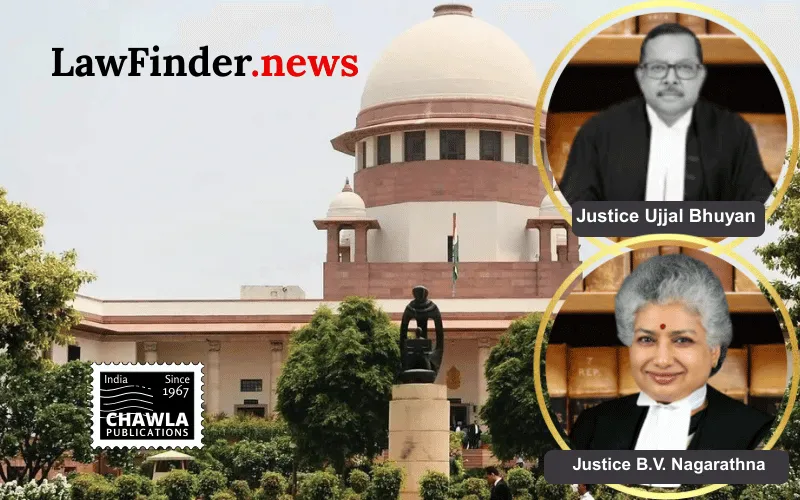
Upholding the high court ruling, a bench of Justices B V Nagarathna and Ujjal Bhuyan also granted the official back wages after finding the punishment disproportionate.
"We fail to understand why the Union of India has challenged the order of the high court division bench. We hear pendency, pendency. Who is the biggest litigant? Cost should be imposed," Justice Nagarathna said.
"Why can't there be an opinion that if the high court found it disproportionate and granted relief setting aside all the orders, we shall not go to the Supreme Court? He took medical leave but he also had to deal with an elopement in his family," she observed.
Referring to her recent statement in a conference organised by the Supreme Court Bar Association about the government being responsible for the backlog in cases, Justice Nagarathna said the court had taken the SCBA conference very seriously.
"It was not just to go to some resort and come back. We made preparations, we did homework. We spoke. Not to forget," she said.
There were two charges levelled against the CISF official -- for absence from duty for 11 days, and that he had committed an act of indiscipline by conniving with a woman, the daughter of a CISF constable, to flee from Mumbai and attend her wedding with his younger brother.
The high court had noted that the absence period of 11 days was explained as the official was on sanctioned medical leave during such period.
"With regard to the other charge of the lady running away with the brother of the respondent-petitioner, it has come on record that the lady herself appeared during the disciplinary proceedings and stated that she had no grievance against the respondent-petitioner.
"It is otherwise not in dispute that the brother of the respondent-petitioner had married the lady concerned. It has, therefore, been found that in-fact there was no misconduct on the part of the respondent for which he could be removed from service," the high court said.