Court Issues Directives for Vendor Relocation, Public Amenities, and Quashes COVID-19 Era Notification Expanding Essential Services
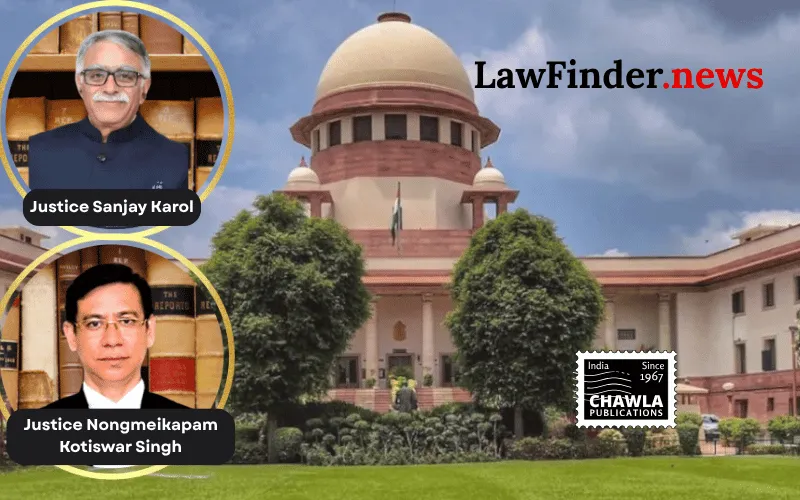
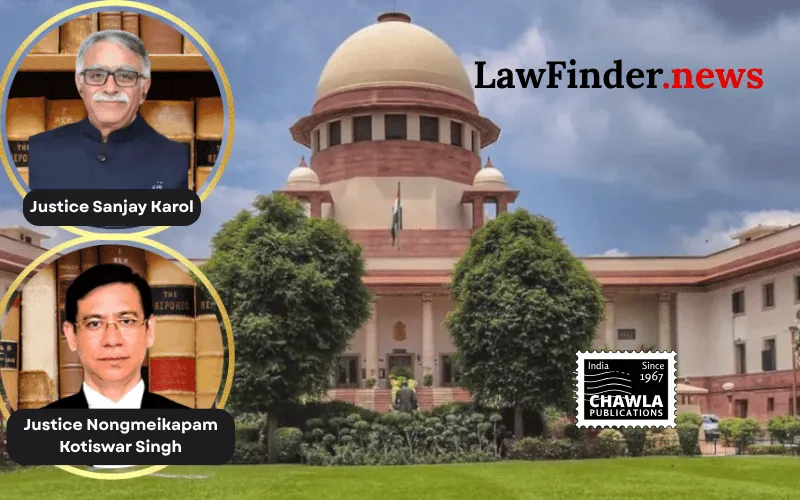
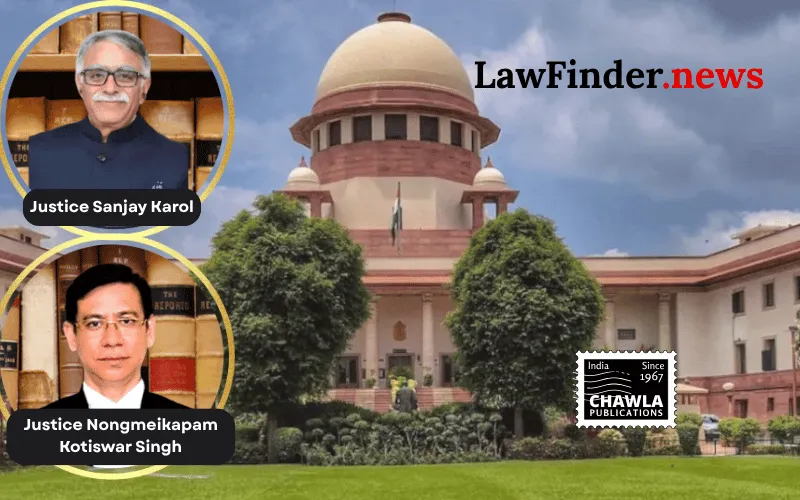
In a significant ruling aimed at balancing the livelihood of street vendors with urban order, the Supreme Court of India delivered a comprehensive judgment on July 1, 2026, addressing the regulation of street vending in Chandigarh. The bench, comprising Justices Sanjay Karol and Nongmeikapam Kotiswar Singh, issued detailed directives to ensure the smooth functioning of designated vending zones while safeguarding the vendors' right to earn a living.
The court emphasized the need for a fair relocation process for licensed vendors to identified vending zones, underlining the importance of operational zones equipped with essential public amenities. These include smart card issuance, CCTV installation, and the establishment of a helpline to support both vendors and consumers.
In a move to restore pre-pandemic norms, the court quashed a notification from July 2020 that expanded the definition of "Essential Service Providers" during the COVID-19 pandemic. This decision reinstates the original scope, ensuring that services such as food vending are not misclassified under essential services, which could dilute their intended regulatory framework.
The ruling comes in response to a series of affidavits and submissions from the Chandigarh Municipal Corporation, detailing the efforts and challenges in managing street vending. The court recognized the efforts but pointed out the need for more structured and sustainable solutions. The authorities have been directed to resolve all pending appeals and applications within specified timelines, ensuring a transparent and efficient resolution process.
The judgment also addressed the issue of anti-encroachment measures, stressing the need for a balanced approach that respects vendors' livelihoods while maintaining urban order. The court called for meaningful relocation strategies, public awareness campaigns, and the fair enforcement of municipal bye-laws.
Additionally, the court directed the Municipal Corporation of Chandigarh to file a compliance report, detailing the outcomes of anti-encroachment drives, vendor relocations, and the status of pending appeals. It also suggested extending these measures to the entire Tricity region, including Mohali and Panchkula, to ensure a coordinated urban management approach.
The decision underscores the court's commitment to ensuring that Chandigarh's streets remain free of unauthorized encroachments while providing lawful and designated zones for vendors. The court has set a deadline for compliance, with a follow-up hearing scheduled for July 24, 2026.
Statutory Provision(s): Street Vendors (Protection of Livelihood and Regulation of Street Vending) Act, 2014
Malkit Singh v. State of U.T., Chandigarh, (SC) : Law Finder Doc id # 2932925