The Supreme Court dismisses claims of over 350 petitioners challenging the validity of their appointments under the Madrasah Service Commission Act, 2008.
In a landmark judgment, the Supreme Court of India on July 13, 2026, upheld the validity and constitutionality of the West Bengal Madrasah Service Commission Act, 2008, affirming its application to the appointment of teachers and non-teaching staff in aided madrasahs. This ruling comes after a protracted legal battle involving over 350 petitioners who challenged the legitimacy of their appointments made during the period when the Act was declared ultra vires by the Calcutta High Court but before its reinstatement by the Supreme Court.
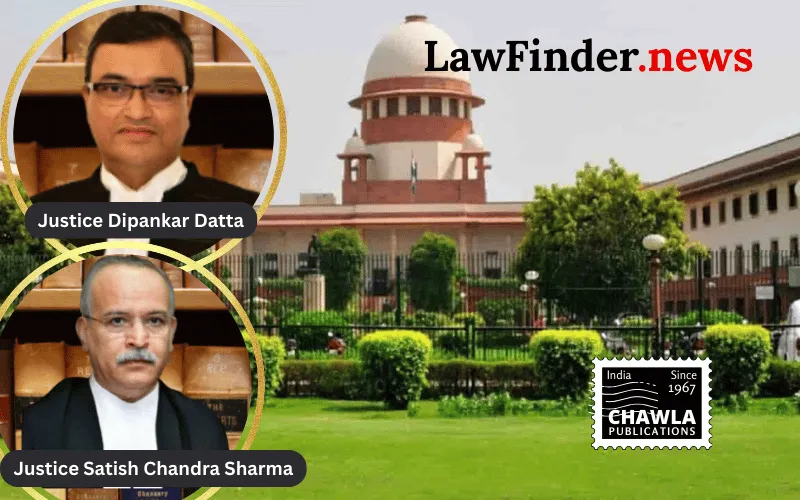
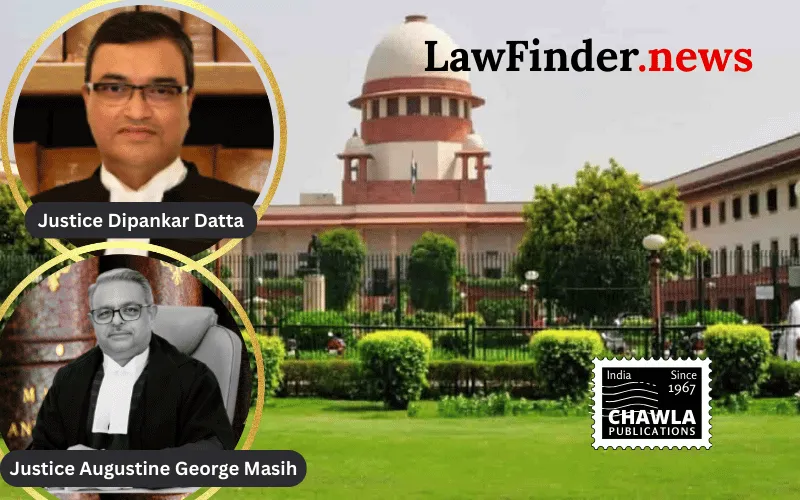
The judgment, delivered by Justices Dipankar Datta and Augustine George Masih, dismissed a batch of 49 petitions filed under Article 32 of the Constitution, concerning the deprivation of service benefits by the State of West Bengal. The petitioners, comprising teachers and non-teaching staff, had been appointed in various madrasahs during the interim period when the Act was declared unconstitutional by a Single Judge of the High Court in 2014, a decision that was later upheld by a Division Bench in 2015.
The Supreme Court meticulously reviewed the facts and legal questions, ultimately determining that the appointments made during the interregnum lacked compliance with statutory procedures, failed to adhere to competitive processes, and violated recruitment norms. The Court cited the absence of proper advertisements and competitive selection processes as violations of Articles 14 and 16 of the Constitution, which ensure principles of equality and transparency.
Justice Datta, delivering the judgment, highlighted the Court's previous ruling in Sk. Mohd. Rafique v. Managing Committee, Contai Rahamania High Madrasah, which set aside the High Court's judgment and reinstated the Act's provisions as valid. The Court declined to invoke Article 142 to regularize appointments made in violation of statutory provisions and recruitment norms, emphasizing the importance of maintaining the integrity of the recruitment process for minority educational institutions receiving government aid.
The Supreme Court's decision also addresses the claims of individual petitioners, including Raj Kumar Bag, Md. Saidul Islam, and others, who argued their cases as instances of gross injustice. However, the Court found these claims to be spurious, emphasizing that the appointments in question were a blot on the system and must be erased, not protected.
The ruling further clarifies the implications of the stay order issued by the Supreme Court on March 14, 2016, which rendered the High Court's decision inoperative. The Court stressed that any appointments made after the stay order without express permission were illegal, reinforcing the need for appointments to be made in accordance with the recommendations of the Madrasah Service Commission.
In conclusion, the Supreme Court's judgment reinforces the importance of adhering to statutory procedures and competitive processes in public appointments, particularly for minority institutions receiving government aid. The decision marks a significant step in ensuring transparency and equality in the recruitment of teachers and non-teaching staff in aided madrasahs across West Bengal.
Bottom Line:
Madrasah Service Commission Act, 2008 upheld by the Supreme Court as valid and constitutional. Appointments made in aided madrasahs after the Act was declared ultra vires by the High Court but before its reinstatement by the Supreme Court were scrutinized, and none were found valid.
Statutory provision(s): Constitution of India, 1950 Articles 14, 16, 30(1), 32, 142; Madrasah Service Commission Act, 2008 Sections 8, 10, 11, and 12
Najma Khatun v. State of West Bengal, (SC) : Law Finder Doc id # 2939829