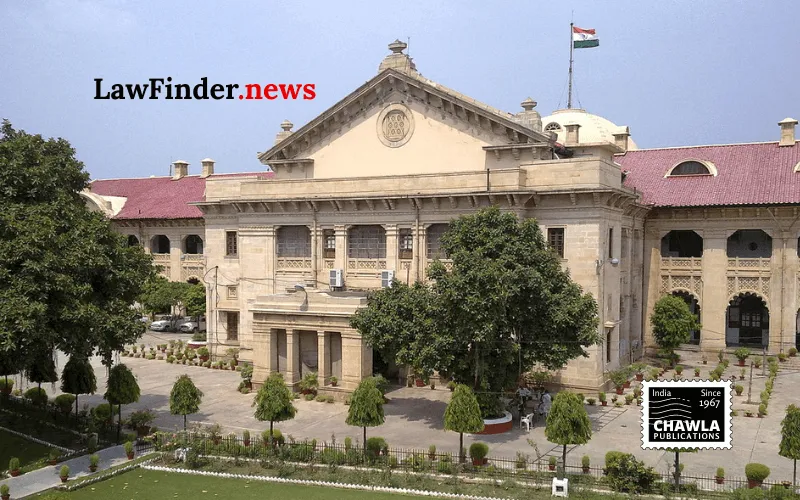
New Delhi, May 29 The Delhi High Court on Friday upheld TRAI regulations that limited broadcasting of advertisements to 12 minutes per hour, stating that the Constitution does not guarantee profitability and unlimited monetisation of public resources.
A bench of Justices Anil Kshetarpal and Amit Mahajan dismissed petitions by several general entertainment channels, news broadcasters and regional channels challenging the constitutional validity of Regulation 3 of the Standard of Quality of Service (Duration of Advertisements in Television Channels) Regulations, 2012 and other related provisions.
The court ruled that the Telecom Regulatory Authority of India (TRAI) acted within its statutory authority when it fixed a time ceiling of "10+2 minutes per clock hour" for advertisements and the framework struck a proportionate balance between broadcaster rights and public interest in the efficient and fair use of broadcast spectrum.
It stated that spectrum and airwaves are scarce public resources held in trust by the State and TRAI's framework was in consonance with Articles 39(b) and (c) of the Constitution as it prevented excessive commercial exploitation and ensured equitable use.
The restriction, the court said, serves public interest, preserves viewer experience, and does not interfere with broadcasters' freedom to determine content, pricing, or business models.
"Even otherwise the grievance relating to loss of advertising revenue primarily falls within Article 19(1)(g) of the Constitution and not the core of Article 19(1)(a) of the Constitution. The 12-minute cap is a neutral, time-based regulation that does not restrict content but only regulates quantity of advertising time.
"The framework is reasonable under Article 19(6) of the Constitution, as it serves the interests of the general public, preserves viewer experience, and does not interfere with broadcasters' freedom to determine content, pricing, or business models. There is no constitutional guarantee of profitability or unlimited monetisation of public resources," the court said in the judgement.
"Keeping in view the above position of law, as well as the facts and circumstances of the present case, the present petitions are dismissed. The Regulation 3 of the Regulation of 2012 passed by the TRAI, effectuating Rule 7 (11) of the Rule of 1994, which are under challenge herein, fail to meet the rights envisaged under Articles 14 and 19 of the Constitution," it held.
The petitioners, which included 9X Media Pvt Ltd and News Broadcasters Association, argued that TRAI did not have the power to regulate advertisements and that it resulted in a loss of advertising revenue for them.
It was further contended that the imposition of a uniform time ceiling of 12 minutes of advertisements per clock hour adversely impacted the commercial speech guaranteed under Article 19(1)(a) of the Constitution.
In the judgement, the court said the TRAI framework was not manifestly arbitrary because it was based on consultation, empirical consumer concerns, and comparative international practice.
It also said that the decision-making process adopted by TRAI satisfied the requirements of consultation, transparency and application of mind.