Consistent eyewitness testimony and corroborated scientific evidence lead to dismissal of appeal by accused Namori Hajibhai Bukera.
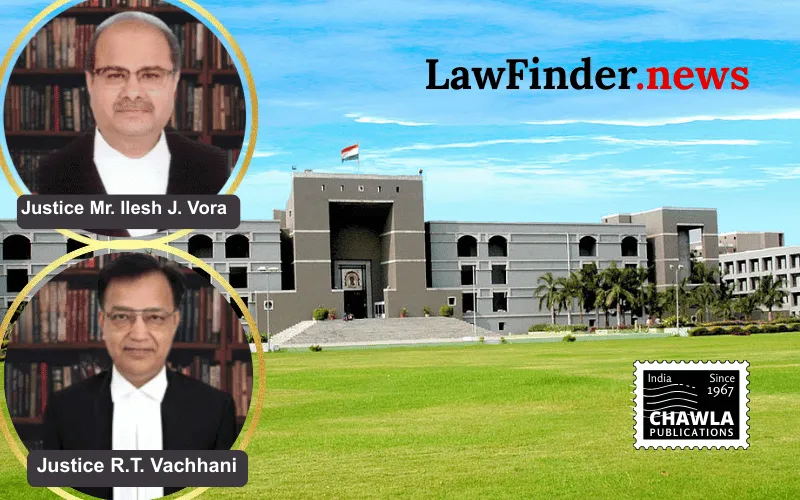
The Gujarat High Court, in a significant ruling, upheld the conviction of Namori Hajibhai Bukera for murder and possession of an unlicensed firearm. The judgment, delivered by a division bench comprising Justices Ilesh J. Vora and R. T. Vachhani, dismissed the appeal against the 2022 conviction by the Sessions Court, Jamnagar.
The case, stemming from an incident on May 4, 2013, involved the fatal shooting of Faruk Ibrahim Pata in the sim area of Veraval village, Jamnagar district. The prosecution successfully proved that the appellant fired a shot from a country-made gun, causing the victim's death. The conviction was supported by consistent eyewitness testimonies and scientific evidence, despite the weapon not being recovered.
The complainant, Altafbhai Gulammohammadbhai Ravkuda, provided a detailed account of the events leading to the shooting, which was corroborated by immediate statements to other witnesses. The High Court noted that the testimony was consistent and reliable, bolstered by the forensic evidence presented by scientific officers.
Scientific analysis confirmed that the gun seized was in working condition and had been used for firing. The ballistic evidence matched the type of pellets used in the shooting, and blood analysis confirmed the presence of the victim's blood at the scene, dismissing any doubt about the location of the incident.
The Court further emphasized that minor discrepancies in witness statements did not undermine their credibility, citing precedents that allow for conviction based on direct reliable evidence even in the absence of the crime weapon.
The appeal was dismissed, with the High Court affirming the life sentence for murder under Section 302 of the Indian Penal Code and a two-year sentence for possession of an unlicensed firearm under Section 25(1B)(a) of the Arms Act.
Bottom Line:
Criminal Law - Murder with an unlicensed firearm - Conviction based on consistent eyewitness testimony, corroborated scientific, medical, and documentary evidence. Non-recovery of weapon not fatal if reliable direct evidence exists.
Statutory provision(s): Indian Penal Code, 1860 Section 302, Arms Act, 1959 Section 25(1B)(a)
Namori Hajibhai Bukera v. State of Gujarat, (Gujarat)(DB) : Law Finder Doc id # 2887852