Supreme Court Overturns Delhi High Court's Dismissal in Territorial Jurisdiction Case, Apex Court clarifies application of "forum non conveniens" under Article 226, orders Delhi High Court to hear BSF officer's plea
In a significant ruling, the Supreme Court of India has overturned the Delhi High Court's dismissal of a writ petition filed by Baksish Ahmad, a former Border Security Force (BSF) officer, challenging his dismissal from service. The Supreme Court clarified the application of the doctrine of "forum non conveniens" in the context of writ jurisdiction under Article 226 of the Constitution, emphasizing that it rarely applies when jurisdiction is invoked based on the situs of office of the respondent.
The case revolves around Baksish Ahmad, who was dismissed from the BSF following allegations of contracting a second marriage without obtaining the necessary permissions. His writ petition was dismissed by the Delhi High Court, which held that the court was not the appropriate forum as no part of the cause of action arose within its jurisdiction.
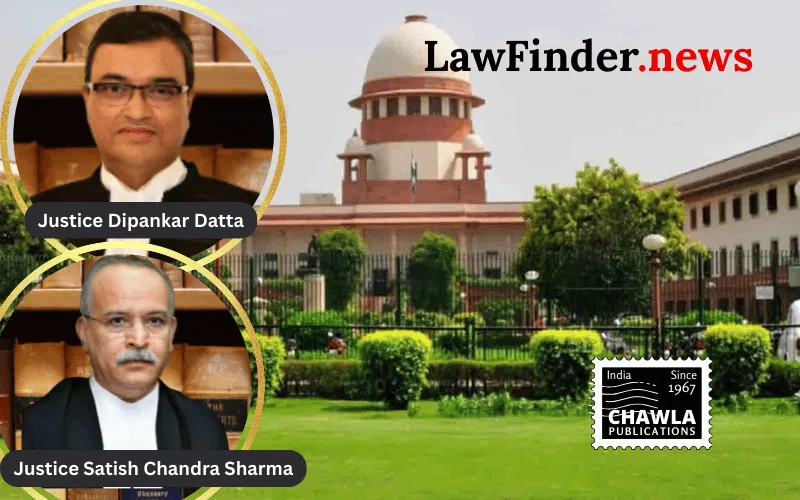
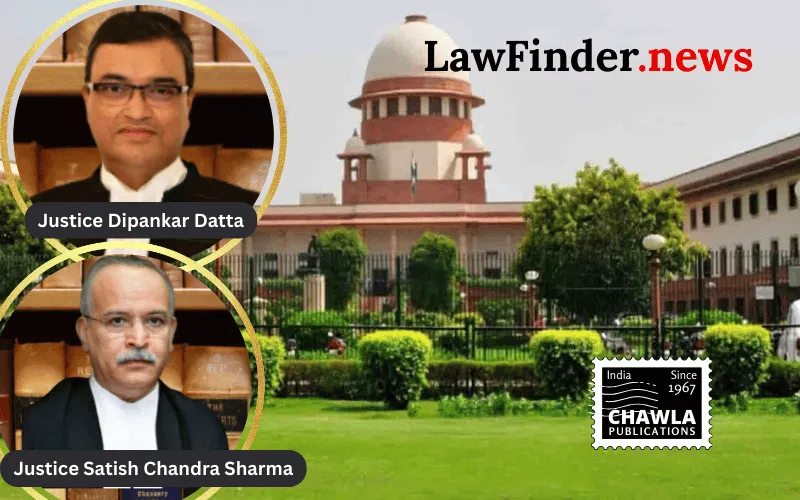
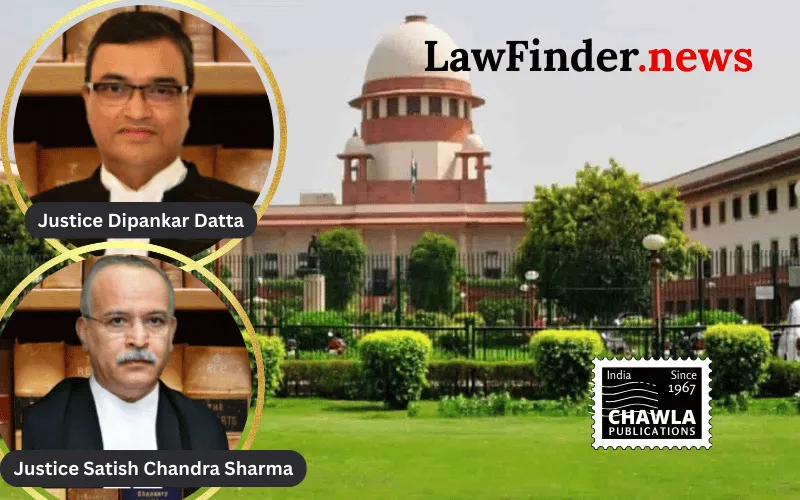
The Supreme Court, led by Justices Dipankar Datta and Satish Chandra Sharma, granted leave and examined the precedents related to territorial jurisdiction under Article 226. The court observed that the Delhi High Court had the competence to entertain the petition under clause (1) of Article 226, as the offices of the Union of India and Director General, BSF, are situated in Delhi.
In its detailed judgment, the Supreme Court criticized the application of the "forum non conveniens" doctrine by the Delhi High Court, stating that it was misapplied in the context of writ jurisdiction. The court highlighted that this doctrine should not deny access to justice, especially when the forum chosen is convenient to the respondents.
The Supreme Court referred to its earlier decisions, including Abrar Ali v. CISF, reaffirming that when the respondent's offices are located within the territorial limits of a High Court, that court has the jurisdiction to entertain the writ petition. The judgment also distinguished between causes of action arising in multiple jurisdictions and the convenience of the forum based on the location of respondent offices.
The apex court's decision underscores the importance of ensuring access to justice and clarifies the scope of territorial jurisdiction under Article 226, providing guidance for future cases involving multiple jurisdictions.
Following the Supreme Court's verdict, Baksish Ahmad's writ petition will be revived and heard by the Delhi High Court on merits, with directions for a timely filing of counter affidavits by the respondents.
Bottom Line:
The doctrine of "forum non conveniens" is rarely applicable in the context of writ jurisdiction under Article 226 of the Constitution of India when invocation of jurisdiction is based on clause (1), i.e., situs of office of the respondent(s).
Statutory provision(s): Article 226 of the Constitution of India, BSF Rules 22 and 177, Central Civil Services (Conduct) Rules, 1964
Baksish Ahmad v. Union of India, (SC) : Law Finder Doc id # 2919542